
Handmade jewelry is attracting the attention of an increasing number of people who are looking for something more than just an ornament. There is a growing awareness of how a piece of jewelry from a workshop differs from a product taken off an assembly line. The question of the superiority of handmade items over mass-produced jewelry does not have a single, simple answer, but facts and jewelry practices provide clear indications.
The difference begins at the design stage. A jeweler working by hand devotes individual attention to each element, refining details that a machine simply will not notice. Factory-made items are produced quickly and cheaply, but often at the expense of raw material quality and finishing precision.
The choice between a handmade and a mass-produced item depends on expectations and the intended use of the jewelry. However, understanding the differences between both approaches helps in making informed purchasing decisions and appreciating the true value of a craftsman’s work.
How Handmade Jewelry Differs from Mass-Produced Jewelry
The superficial similarity between handmade and factory-made items can be misleading. Both may look attractive in a shop display, but behind each lies a completely different creation process, a different philosophy, and a different approach to material quality.
Manufacturing Process: Manual Jeweler’s Work vs. Factory Line
Handmade jewelry production is based on the direct work of a jeweler. Each element passes through their hands, from metal processing and stone setting to surface polishing. The craftsman makes dozens of decisions for each piece, giving the item an individual character.
A factory line operates on a different logic. Machines perform repetitive tasks in hundreds, or even thousands, of cycles per day. Quality control is automated and focused on detecting deviations from the standard, rather than on pursuing finishing perfection. The result is a consistent product, but one devoid of the human touch.
Precious Materials and Raw Materials Used in Both Types of Production
The quality of raw materials is one of the most visible points of difference. Artisan jewelers use proven materials with confirmed composition and purity. Mass producers often lower the standard of raw materials to reduce production costs.
Most commonly used materials in handmade jewelry:
- 925 sterling silver and gold of confirmed composition
- natural gemstones: diamonds, rubies, sapphires, garnets
- organic materials: amber, coral, wood, ceramics
- recycled precious metals of documented origin
Controls conducted by the Office of Competition and Consumer Protection, the Trade Inspection, and the National Revenue Administration in March and April 2025 yielded alarming results. Out of 1.6 million pieces of jewelry examined, as many as 67% were incorrectly marked or exceeded permissible chemical standards. In the tested samples, a necklace was found with a 333-fold excess of the permissible lead concentration, and a brooch with a 400-fold excess of the cadmium limit. European Union standards are 0.05% for lead and 0.01% for cadmium, and the results show the significant risk posed by unverified mass-produced jewelry from outside the European Union.
Uniqueness of Design and Repeatability of Mass-Produced Items
Each handcrafted item is unique. Even with the same design, a jeweler cannot replicate it identically, which means the buyer receives a truly one-of-a-kind piece. Subtle differences in shape, surface texture, or stone setting are signs of authenticity, not manufacturing defects.
Mass-produced factory items, on the other hand, are duplicated without any deviations. Their repeatability is an advantage from the manufacturer’s perspective, but for the buyer, it signifies a lack of uniqueness. Hundreds of people might wear the same necklace or ring, which deprives the jewelry of its personal dimension.
Workshop Marks as a Hallmark of Handcrafted Items
An experienced jeweler leaves characteristic marks of their work on an item. These can include subtle tool impressions, a hand-engraved maker’s mark, or minor surface asymmetries that are not visible to the naked eye but indicate manual creation.
Ways to Identify Handcrafted Jewelry:
- Presence of a jeweler’s mark or artisan’s signature
- Visible signs of manual processing and polishing under magnification
- Slight variations in the placement of decorative elements
- Individual certificate or description with each piece
Such features are proof that a person, not a machine, worked on the item. Workshop marks also increase the collectible value of jewelry and facilitate its identification in case of disputes over authenticity.
Quality and Durability: What Stands the Test of Time
The durability of jewelry depends on three factors: the composition of the metal alloy, the precision of the connections, and the stone setting technique. Handcrafting and mass production differ in all these aspects. Many users only appreciate this difference after several years of wear.
Precious Metals and Stones vs. Cheap Alloys Used in Factories
Artisan jewelry is made with high-karat metals: gold, sterling silver (925), platinum, or palladium. Each of these materials has documented properties: corrosion resistance, color stability, and skin neutrality.
Mass production often uses alloys with nickel, cadmium, or lead additives. Nickel is one of the most common contact allergens in Europe. Products containing cadmium and lead can penetrate the skin and accumulate in the body, as confirmed by Polish regulatory bodies in 2025.
Natural gemstones used by artisans retain their color and luster for decades. Glass imitations or synthetic substitutes used in inexpensive mass-produced jewelry lose their clarity and color after a short period of wear.
Precision of Detail Work vs. Mass Industrial Castings
Hand-setting a stone in a bezel allows the jeweler to individually fit each element. The prongs and claws holding the stone are calibrated for the specific gem, reducing the risk of it falling out. In mass production, settings are cast in series and adapted to stones of standard dimensions.
| Feature | Handmade Jewelry | Mass-Produced Jewelry |
|---|---|---|
| Metal | Gold, 925 silver, platinum | Alloys with nickel, zinc, lead |
| Stones | Natural, certified | Synthetic, glass imitations |
| Settings | Hand-calibrated | Serial castings |
| Quality Control | Personal, by a jeweler | Automatic, statistical |
| Durability | High, many years | Variable, often short |
The difference in metal density is clear. Hand-forged or rolled elements have a more uniform structure than mass castings, which may contain micro-bubbles and material discontinuities. These defects are invisible to the naked eye but lead to cracking under mechanical stress.
Durability of handcrafted jewelry in daily use
Jewelry from a craft studio is designed for regular use. The jeweler selects the metal thickness and joining technique for specific applications; for example, a ring worn daily will have thicker bands and more durable connections than a decorative pendant.
Mass-produced jewelry is designed for visual appeal at the point of sale. Thin walls and electroplated gold or silver coatings instead of solid metal are solutions that reduce the weight and material cost of the item. Electroplated coatings wear off after a few months of wear, revealing the base alloy.
Regular use verifies the quality of every product. A ring from a jewelry studio can last for generations with proper care. Inexpensive mass-produced jewelry loses its appearance and integrity after a few months of wear.
The price of handmade jewelry: is the higher cost justified
Buyers of handcrafted jewelry pay more than for mass-produced items. The question of the justification for this difference is understandable and reasonable. The answer lies in the cost structure of each production model.
Cost components of a craftsperson: time, materials, and artisan skill
In the creation of every handcrafted jewelry piece, the craftsperson’s working time is the largest component of its value. A simple silver ring can take two to five hours of work, and a complex bracelet with stones can take even more than a dozen hours. Added to this are the costs of certified raw materials, tools, and the workshop.
Jewelry craftsmanship, which includes the ability to properly set stones, engrave, or join elements, is acquired through years of study and practice. The craftsperson prices this knowledge and experience into the product’s cost. The buyer pays not only for the metal and stone but for the creator’s unique expertise.
Before purchasing handcrafted jewelry, it is advisable to ask the craftsperson for a metal or stone certificate, which confirms the authenticity of the raw materials used in the item’s creation.
The price of mass-produced jewelry versus the real value of materials used
The low price of factory-produced items results from economies of scale and a reduced standard of materials. Thousands of identical pieces reduce the unit cost, but this is achieved at the expense of alloy quality, coating thickness, and finishing care.
Mass production hides the actual value of the raw material behind attractive packaging and the deceptive shine of an electroplated coating. An item that looks like gold may contain only a microscopic layer of gold on a cheap base alloy. The durability of such an item is inherently limited.
Tip: When checking the composition of mass-produced jewelry, look for metal purity markings on the packaging. The absence of markings or the marking GP (gold plated) indicates electroplating, not solid metal.
Handcrafted Jewelry from a Polish Jewelry Workshop
Choosing handcrafted jewelry is a decision backed by a specific story and proven craftsmanship. The Polish brand Matiere47 was established in 2017 from the combination of jewelry experience and a passion for unique design. Each piece undergoes a full production cycle in the workshop, from the initial sketch to the final finish, which guarantees consistent, high quality.
Collections with Character and Message
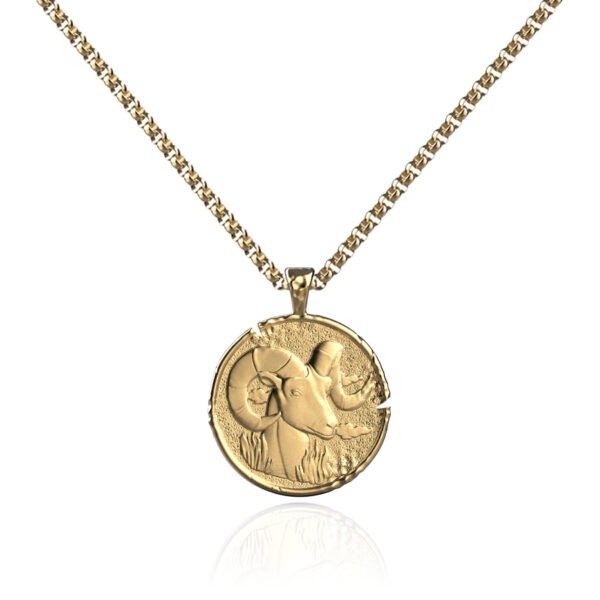
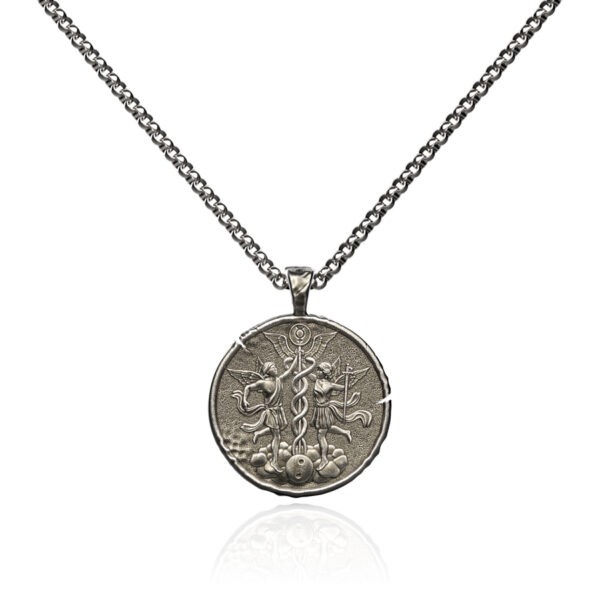
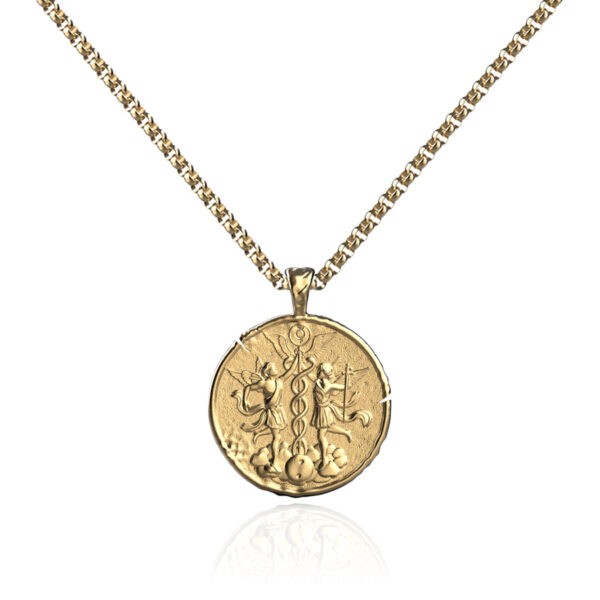
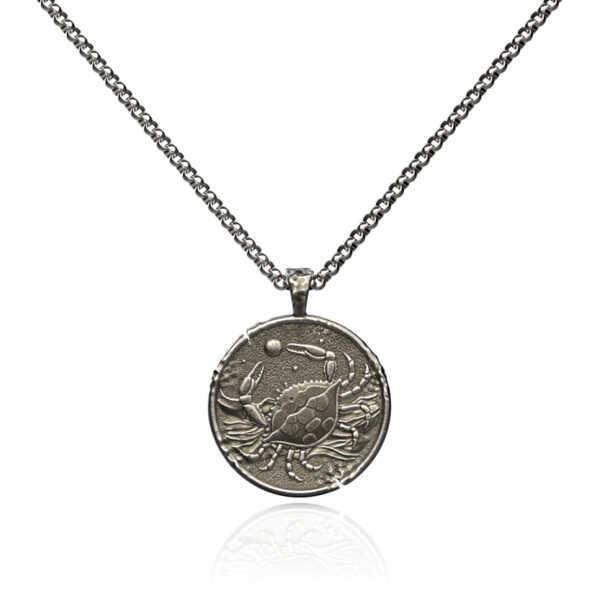
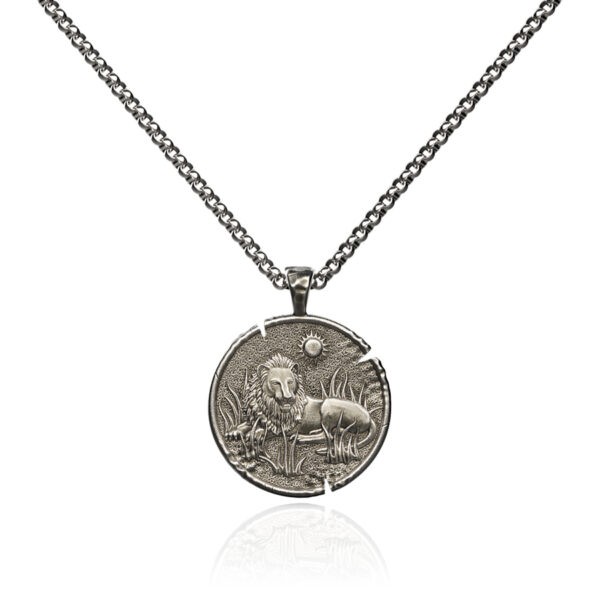
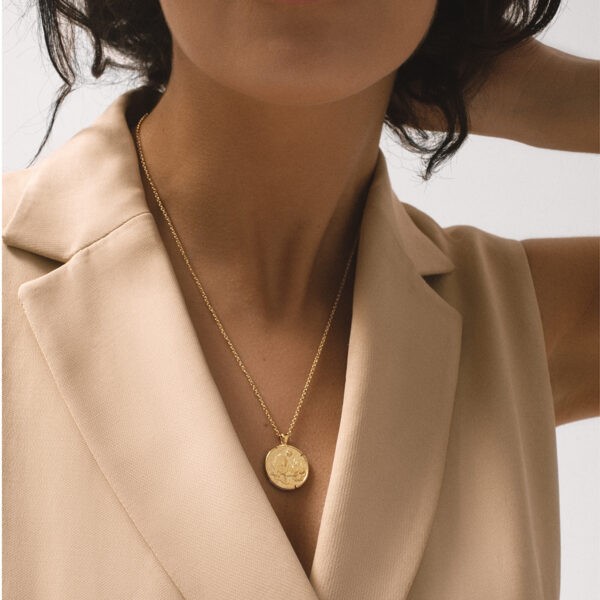
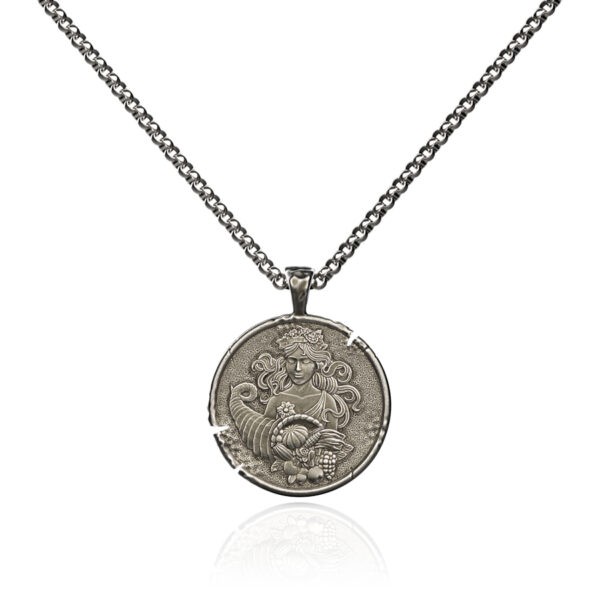
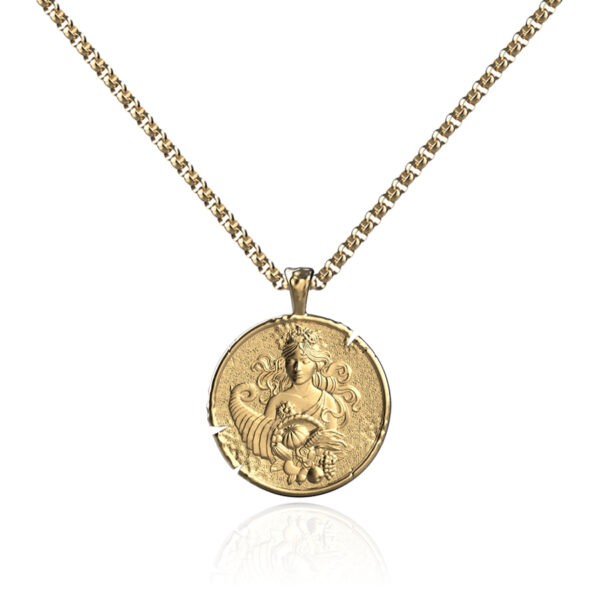
The Matiere47 workshop creates jewelry for people seeking adornments with deeper meaning. The Zodiac jewelry collection includes zodiac sign necklaces made of 925 sterling silver. Each zodiac sign is reflected in a carefully designed pendant, which works well as an everyday accessory or a personalized gift for a birthday or anniversary.
Products from the Matiere47 workshop are characterized by:
- recycled 925 sterling silver
- handcrafted work by jewelers at every stage of production
- precision of execution confirmed by many years of artisanal experience
- full quality control from design to finished product
The Lucky Cat jewelry collection is inspired by the Japanese symbolism of Maneki Neko, the Beckoning Cat. It includes silver necklaces and bracelets adorned with the motif of a waving cat, which, according to tradition, attracts good fortune and protects against adverse events. The collection is complemented by Maneki Neko scented candles, made from natural wax, which make an elegant and aromatic gift.













Workshop and Custom Order Options
The jewelry workshop in Old Żoliborz, Warsaw, combines the classic school of jewelry making with modern methods of milling and three-dimensional design. Wax models are created on precision CNC machines, but every stage of metal processing and stone setting is done by hand by jewelers. The workshop also fulfills custom orders: engagement rings, wedding bands, and family heirlooms.
Individuals interested in viewing the products can visit the brand’s showroom, where ready-made collections are available and project consultations can be held on-site. For questions regarding the selection of handmade jewelry or special orders, the customer service department is available via the contact page, where you can schedule a consultation and obtain detailed information about the current offer.
When to Choose Handmade vs. Mass-Produced Items
Not every situation calls for jewelry from a craft studio. A conscious choice considers the intended use of the item, the occasion, and the expected durability relative to its use.
Occasions Where Unique Jewelry Shines Best
Handmade jewelry is ideal wherever durability, individuality, and the emotional value of the piece are important. Artisan jewelry is a perfect choice for significant life moments: engagements, weddings, birthdays, or anniversaries.
Jewelry from a craft studio can be passed down through generations as a family heirloom. Solid craftsmanship in solid gold or 925 sterling silver guarantees years of use without loss of quality.
Occasions where unique jewelry is the best choice:
- engagement and wedding gifts
- everyday jewelry worn for many years
- items with sentimental meaning or a dedication
- collectible ornaments with the potential for value appreciation
Handcrafted jewelry also appeals to those who value local craftsmanship and ethical production. Purchasing from a craftsperson supports small studios and preserves jewelry traditions passed down through generations.
Situations Where Mass-Produced Items Are Sufficient
Mass-produced jewelry has its practical applications. A trendy accessory bought for a season, earrings for theatrical costumes, or a small adornment for a special occasion outfit doesn’t need to meet the requirements of lifelong jewelry.
Mass production offers a wide selection of designs in line with current trends, which is an advantage for those who follow fashion and frequently change their styles. Availability and quick replacement are strong points of mass-produced items.
When choosing mass-produced jewelry for frequent use, look for items with a certificate of conformity with European Union standards, which reduces the risk of contact with harmful heavy metals.
The Impact of Choice on the Environment and Local Artisans
Mass production of jewelry places a significant burden on the environment. Factories processing metals and synthetic stones consume large amounts of energy and water, and industrial waste contains toxic chemical compounds. Short-lived products quickly end up in landfills.
Artisans work on a small scale, which naturally limits the environmental footprint of their activities. Many handmade jewelers use recycled precious metals and ethically sourced stones, reducing the demand for new raw materials often mined under difficult conditions.
Choosing handmade jewelry is also an economic decision with a local impact. Purchasing from a Polish jeweler supports the domestic labor market, sustains professional tradition, and builds a craft community. Mass imports of jewelry from countries with low environmental and labor standards have the opposite effect.
Tip: When choosing handmade jewelry from a local artisan, inquire about the origin of the metals and stones. A responsible craftsperson can always indicate the source of their raw materials.
FAQ: Frequently Asked Questions
What is the difference between handmade jewelry and hand-finished jewelry?
Handmade jewelry is created entirely, or for the most part, using the artisan’s hands and traditional tools. The jeweler shapes the metal, sets the stones, and assembles each element themselves. Machines may assist in the process, but only under the direct guidance of the creator.
Hand-finished jewelry is a completely different product. The body is created by machine, through mass casting, and handwork is limited to the final stages: polishing, enameling, or stone setting. Handcrafted items are incomparably more unique and valued due to the creator’s involvement at every stage of the ornament’s creation.
What materials are used in handcrafted jewelry and why does it matter?
Jewelry artisans use raw materials with documented composition and confirmed standards. Most commonly, these are 925 sterling silver, gold, platinum, and natural gemstones such as garnets, sapphires, or rubies. Some creators use recycled precious metals, which reduces the demand for new mining resources.
The choice of materials directly impacts durability and safety of use. Inspections conducted by Polish supervisory bodies in 2025 revealed that mass-produced jewelry from uncertified sources contained lead and cadmium at concentrations exceeding European Union standards by several hundred times. 925 sterling silver and certified gold do not contain harmful additives, making them a safe choice for prolonged wear.
How to recognize authentic handcrafted jewelry when purchasing?
Authentic handcrafted items bear clear marks of jewelry craftsmanship. Under magnification, traces of manual surface treatment, slight variations in the placement of decorative elements, and the individual maker’s mark or studio signature are visible. The solidity and weight of the item are further distinguishing features, which are lacking in light, mass-produced cast products.
When purchasing handmade jewelry, pay attention to several details. A reputable jeweler will always state the purity of the metal used, indicate the source of the stones, and provide a document confirming the item’s composition. The absence of metal purity markings or vague material descriptions is a warning sign that requires further verification before making a purchase decision.
How to Properly Care for Handmade Jewelry So It Lasts for Years?
The durability of handmade jewelry depends not only on the quality of craftsmanship but also on regular care. Silver requires cleaning with a soft cloth or a special silver cleaner that removes tarnish caused by contact with air. Gold is cleaned with warm water, mild soap, and a soft brush. Both metals should be stored in closed pouches or felt-lined boxes, away from moisture.
Natural gemstones require caution when in contact with chemicals. Perfumes, creams, and cleaning agents can damage the stone’s surface or the setting metal. Jewelry with organic stones, such as amber or coral, should only be washed with lukewarm water without detergents. Regular check-ups with a jeweler, every one or two years, allow for an inspection of the settings and prevent stones from falling out before permanent damage occurs to the piece.
Summary
Handcrafted jewelry surpasses mass production in terms of raw material quality, precision of execution, and durability. Artisan jewelry uses certified precious metals and natural stones, and each piece undergoes individual quality control by a jeweler. Results from Polish supervisory bodies in 2025 confirmed that inexpensive mass-produced jewelry from uncertified sources may contain heavy metals harmful to health.
A conscious choice between handmade and mass-produced jewelry should consider the intended use of the jewelry, the expected lifespan, and the value the buyer places on uniqueness and quality of craftsmanship. A piece from an artisan studio is an investment in durability, not just a purchase of an ornament.
Sources:
- https://pl.wikipedia.org/wiki/Biżuteria
- https://pl.wikipedia.org/wiki/Złotnictwo
- https://uokik.gov.pl/niebezpieczna-chemia-w-bizuterii-dzialania-uokik-ih-i-kas
- https://tvn24.pl/biznes/najnowsze/toksyczna-bizuteria-za-duzo-olowiu-i-kadmu-norma-przekroczona-400-razy-st8552321
- https://www.doz.pl/czytelnia/a18356-Szkodliwe_metale_ciezkie_w_bizuterii._Alarmujace_wyniki_kontroli_UOKiK
- https://fashionbiznes.pl/niebezpieczna-bizuteria-z-importu-kontrola-ujawnila-obecnosc-rakotworczych-substancji/
- https://pubmed.ncbi.nlm.nih.gov/33757252/
- https://pmc.ncbi.nlm.nih.gov/articles/PMC11460313/