
Handmade jewelry is gaining increasing popularity as a gift for special occasions. Women’s Day, celebrated on March 8th, provides an excellent opportunity to express appreciation. Choosing the right gift requires consideration of its emotional value.
A gift should reflect care for the recipient. Artisan jewelry is distinguished by the uniqueness of each piece. The artist’s creative work gives the ornaments a one-of-a-kind character. Classic products from mass production lack such sentimental value.
Handmade involves an individual approach to every detail. High-quality materials and meticulous craftsmanship create durable items. A purchase supports local artisans developing their passion. Handmade jewelry carries a story of its creation, adding deep meaning.
Why handmade jewelry stands out among other gifts
The market offers a wide selection of jewelry from various sources. Mass-produced items dominate chain stores. However, handmade jewelry presents entirely different values. Each piece is created through many hours of an artist’s work.
Handcrafted jewelry bears the mark of human labor. It’s visible in the texture of the metal. It’s also visible in the proportions and finish. Each stage is completed at a slower pace. This process promotes quality control.
Each ornament is unique and original
Factory production creates hundreds of identical items. Machines precisely replicate the same design. Artisan jewelry making completely eliminates the problem of repetition. The artist crafts each element individually with care.
Even when using identical materials, different effects are produced. Hand finishing imparts an individual character. Minor differences in shapes and proportions are natural. The recipient receives a one-of-a-kind item.
Uniqueness directly translates to the emotional value of the gift. The absence of duplicates emphasizes the uniqueness of the relationship between individuals. The wearer can feel proud of owning a unique piece.
Artisan work guarantees high quality of craftsmanship
A jewelry artist dedicates individual attention to each ornament. Quality control is performed at every stage of creation. Handmade production eliminates errors before the product is completed.
Thicker materials ensure greater structural integrity. Meticulous soldering and polishing create durable connections. A professional artisan checks the details before delivering to the client. The ornaments maintain their beautiful appearance for many years.
Factory products often use thinner, cost-saving materials. Automation can overlook minor imperfections. Defective items sometimes reach the market due to quality control issues. Handmade work ensures a level of precision difficult to achieve by machine.
Fun Fact: The 925 hallmark signifies an alloy of 92.5% pure silver. The 925 designation indicates 925 parts silver per 1000 parts of alloy. The admixture of other metals is most commonly copper.
Shopping Supports Local Artisans and Their Passion
Purchasing handmade jewelry directly supports artists in developing their skills. Every transaction allows creators to continue their craft. Large jewelry corporations direct profits to shareholders.
Local artisans reinvest their earnings into workshop development. Local communities benefit from supporting small businesses. Artists can dedicate more time to perfecting their techniques. The relationship between creator and client builds trust.
The local economy thrives with small jewelry workshops. Money stays within the region instead of flowing to corporations. Buyers learn the story behind their adornment’s creation. Direct contact with the artist facilitates project customization.
Materials Are Selected with Attention to Detail
Creators of handmade jewelry carefully select components. The quality of raw materials determines durability and aesthetics. 925 sterling silver guarantees resistance to tarnishing. Natural gemstones undergo selection for clarity.
Material Selection Criteria:
- Precious metals or high-grade alloys
- Natural gemstones without damage or inclusions
- Artistic, hand-formed glass
- Seasoned wood with a stable structure
- Natural fabrics resistant to fading
Artists often build relationships with raw material suppliers. Supply chain transparency ensures material origin. Artisans avoid conflict sources for gemstones. Ethical sourcing of raw materials is becoming a standard in the industry.
The ability to inquire about the origin of each element builds trust. Customers increasingly value ecological awareness. Recycling old adornments into new projects reduces waste. Local artists prioritize sustainable development.
Personalization of Handmade Jewelry for Women’s Day
Personalizing gifts deepens their emotional significance. The ability to customize details makes an adornment unique. Mass production does not allow for such modifications. Artists gladly accept special orders tailored to wishes.
Personalization can also be practical, not just symbolic. Adjusting the chain length affects wearing comfort. Changing the clasp type makes jewelry easier to put on. Choosing a matte or glossy finish matches the adornment to one’s style. Such decisions reduce the risk of a gift miss.
Engraving with a Dedication or Important Date
Engraving adds a personal dimension to handmade jewelry. The recipient’s initials placed on a pendant create an intimate accent. A wedding date engraved on a bracelet recalls a special day. A short dedication can express feelings beyond words.
Engraving techniques have significantly advanced in recent years. Lasers enable precise application of letters and symbols. Traditional hand engraving preserves an artistic character. The depth and style of the font can be adapted to the project.
Hidden messages inside a ring become the owner’s secret. Strangers do not notice the private dedication. Such personalization strengthens the bond between the giver and the recipient. The engraving will last for years, reminding them of their connection.
Birthstones Tailored to the Recipient
The tradition of assigning gemstones to birth months dates back to antiquity. January is represented by garnet, a deep red stone. April symbolizes diamond, the king of minerals. Each month has a specific gemstone with unique symbolism.
The meaning of birthstones extends beyond visual aesthetics. People believe in the energetic properties attributed to gemstones. February’s amethyst is said to bring peace and balance. May’s emerald is associated with rebirth and hope.
Choosing a birthstone shows familiarity with personal details. Such a gesture demonstrates the attention paid to gift planning. Jewelry artists can select the perfect shade of the gemstone. Combining several stones can represent close family members.
This matching can also be based on a simple month key. The list of gemstones is widely described in GIA educational materials. Choosing the month makes it easier to start, and then you can select the shade and size. Garnet can vary from red to brown. Amethyst has several shades of purple. Emerald may have visible inclusions, which are natural.
Choosing Colors and Designs According to Individual Preferences
Analyzing one’s dressing style helps in selecting the appropriate palette. Someone who primarily wears cool shades will appreciate silver. Warm tones in clothing harmonize with gold or rose gold. A minimalist lifestyle favors simple geometric shapes.
Artists offer a wide range of cultural and universal designs. Floral motifs will appeal to romantic souls. Abstract compositions will attract lovers of modern art. Ethnic symbols reflect a fondness for folk traditions.
Consulting with the creator allows for discussion of the vision for the final product. Preliminary sketches enable visualization of the concept. Modifications before creation ensure satisfaction with the result. The co-creation process engages both parties emotionally.
The Option to Create a Design from Scratch
A completely original design represents the highest level of personalization. A conversation with the artist begins the creation process. Inspirations can come from nature or memories. Hand sketches transform ideas into concrete forms. The selection of each element is done collaboratively with the artisan. The type of metal base influences the character of the ornament. The manufacturing technique determines the final appearance of the surface. A combination of techniques creates complex artistic effects.
The realization time for a custom order naturally extends. Complex designs require several weeks of work. The result exceeds expectations, as every detail is refined. The owner receives an item that is difficult to find in retail.
The Emotional Value of a Handmade Gift
The emotional bond with jewelry grows with its history. Mass-produced items lack this depth. Every handmade ornament carries the creator’s story. The combination of artistic skill and the giver’s intention creates magic.
Objects can act as symbols of emotional attachment and security. Research indicates that such items resemble people and places. Scientific texts describe ornaments as frequently worn. The constant presence of an ornament helps during difficult times and provides comfort. For this reason, a handmade keepsake gains significance over the years.
The history of jewelry creation adds to its meaning
Knowledge of the creation process deepens respect for craftsmanship. Hours spent shaping metal require patience. Precise stone setting demands a steady hand. The final polishing gives the surface a mirror-like shine.
Artists often document work stages photographically. The client gains access to documentation of the creation process. Observing the evolution of the design builds anticipation. The finished piece gains the dimension of the creator’s personal achievement.
Understanding technical difficulties enhances the item’s value. Complex techniques require years of practice to master. Young artisans learn from experienced masters. The transmission of knowledge between generations preserves traditions.
A gift becomes a keepsake for years
The durability of handmade jewelry allows memories to be preserved for decades. Solid construction withstands daily wear without damage. High-quality materials do not lose their luster over the years. Repair by the artist restores the original appearance.
Each glance at the ornament recalls the moment it was received. The emotions associated with the occasion remain vivid. International Women’s Day, celebrated annually, refreshes memories. Special moments encoded in the item do not fade.
Family heirlooms passed down to daughters create traditions. A grandmother wearing earrings received decades ago inspires her granddaughters. Generational continuity is manifested through physical objects. Sentimental value far exceeds material value.
Fun fact: Around 1760, mourning lockets became fashionable in Great Britain. Small boxes held locks of hair and included inscriptions with dates. Victorian hair jewelry later became a popular craft.
Handmade execution shows care for details
Choosing handmade jewelry communicates a thoughtful approach to gift-giving. Quickly buying factory-made products requires no effort. Dedicating time to consult with the artist demonstrates commitment. Planning ahead highlights the priority of the recipient.
A donor involved in the design process invests a part of themselves. Chosen colors can refer to shared experiences. Symbols used in the design hold meaning for both parties. The process becomes a manifestation of mutual understanding.
The recipient appreciates the effort put into achieving a perfect fit. Considering personal tastes requires observation and empathy. A well-chosen item confirms a deep understanding of character. The relationship is strengthened through such gestures of attention.
Jewelry passed down through generations
Family heritage is manifested through material objects. Handmade jewelry perfectly serves as a family treasure. Its unique nature makes a lost item irreplaceable. Subsequent generations learn about their ancestors’ history through these small ornaments.
Passing down valuable items teaches respect for craftsmanship. Young people learn to care for delicate objects. Maintaining older jewelry develops practical skills. A family collection grows by adding new pieces.
The handover ceremony becomes an important life moment. A mother giving her grandmother’s necklace to her daughter connects generations. Stories associated with each piece create an oral tradition. A physical object tangibly brings family history to life.
Tip: Documenting the history of each trinket on paper protects family memories from being forgotten.
Handcrafted Unique Jewelry at Matiere47 Store
Handmade jewelry is suitable as a gift for Women’s Day. At the Matiere47 store, the focus is on craftsmanship and refined details. The result is jewelry that holds personal meaning. Matiere47 has been operating since 2017. The designs are by an experienced jeweler and a lawyer. The workshop works with silver, referred to as material 47.
The jewelry creation process includes sketching, production, and finishing. The products are made from start to finish in the workshop. Work is supervised at every stage of completion. Traditional jewelry art is combined with modern technologies. This approach helps maintain the consistency of the design and details.
Handwork and Quality Standards
The creation process begins with a sketch, followed by the finishing stage. The entire piece is made in the workshop, under constant supervision. Both traditional methods and modern jewelry technologies are used. Individual orders, including personalized designs, are an important part. Arrangements cover the shape, size, and type of metal finish. This approach makes it easier to match a gift to a style.
Scope of Support:
- Project consultation before production
- Personalization options within agreed terms
- Custom order production in the workshop
After such a consultation, it is easier to determine the practical details. The size and type of clasp affect wearing comfort. A matte finish can be less prone to fingerprints. A glossy finish reflects light more strongly and attracts attention. The choice of stone should consider hardness and daily habits.
The Zodiac Collection as a Symbolic Choice
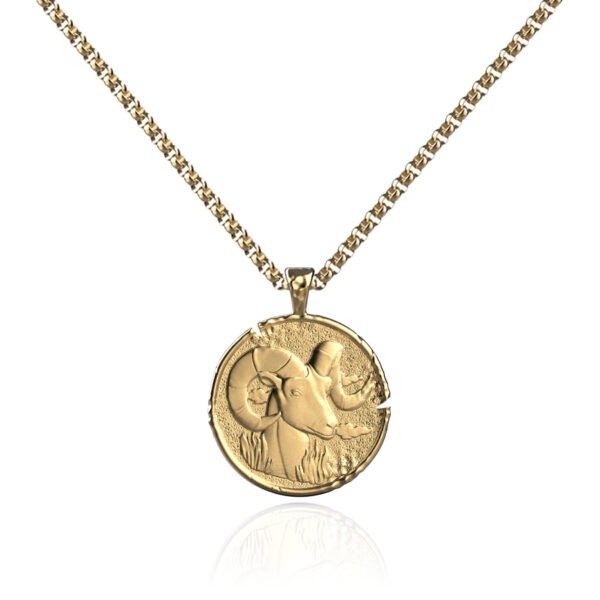
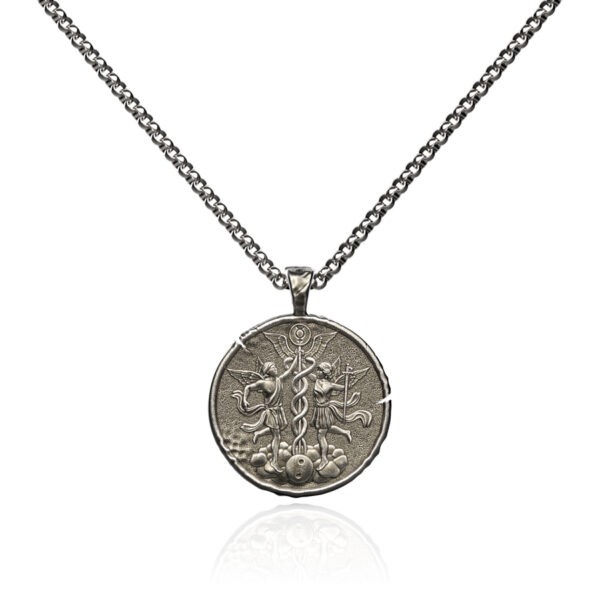
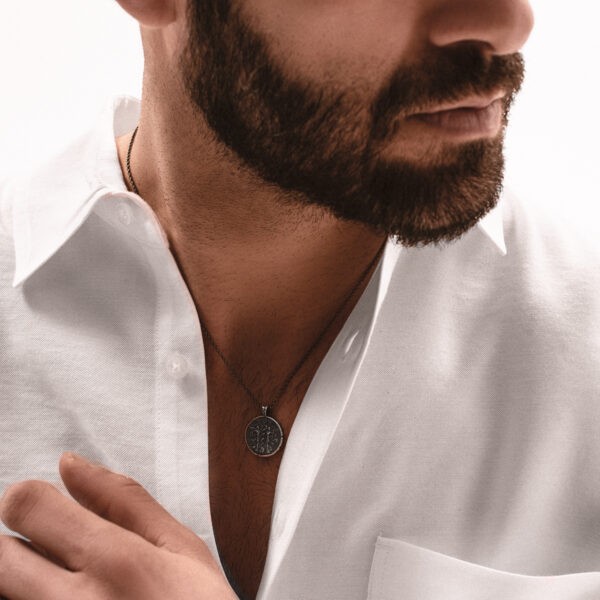
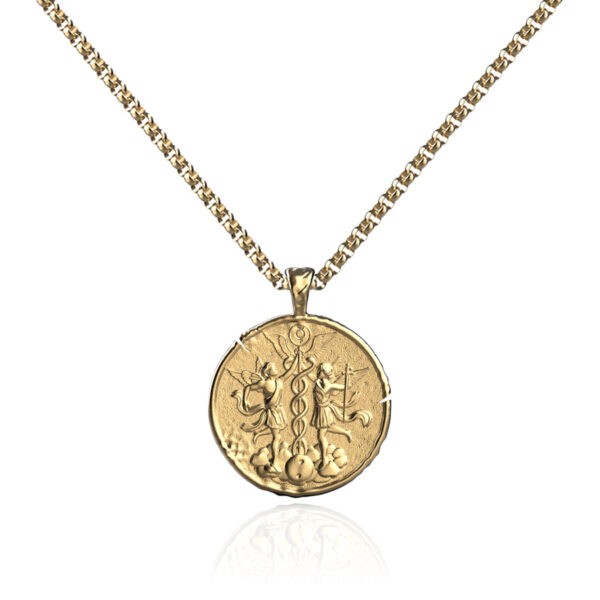
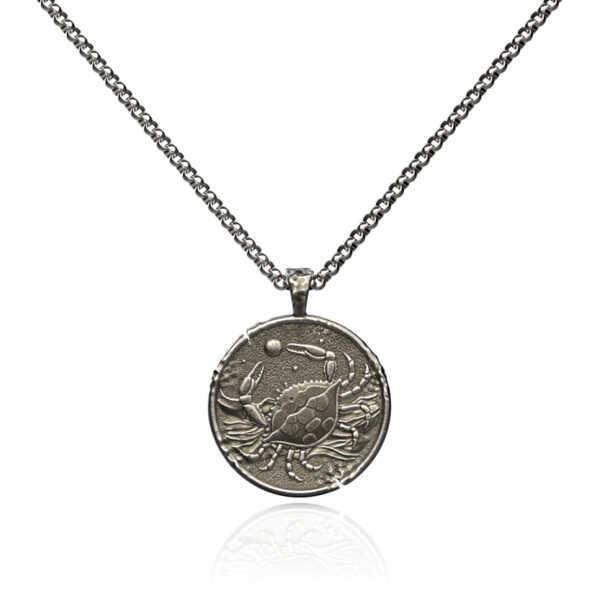
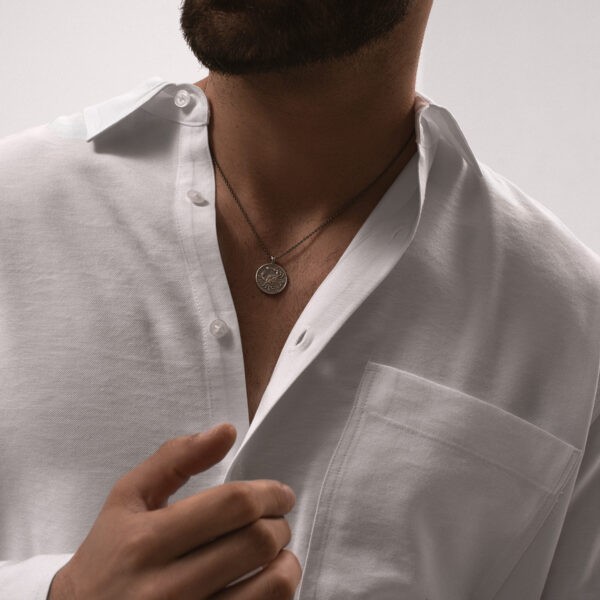
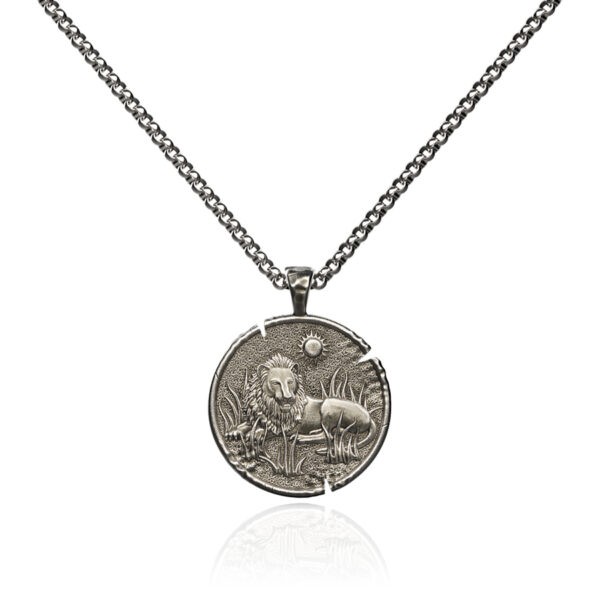
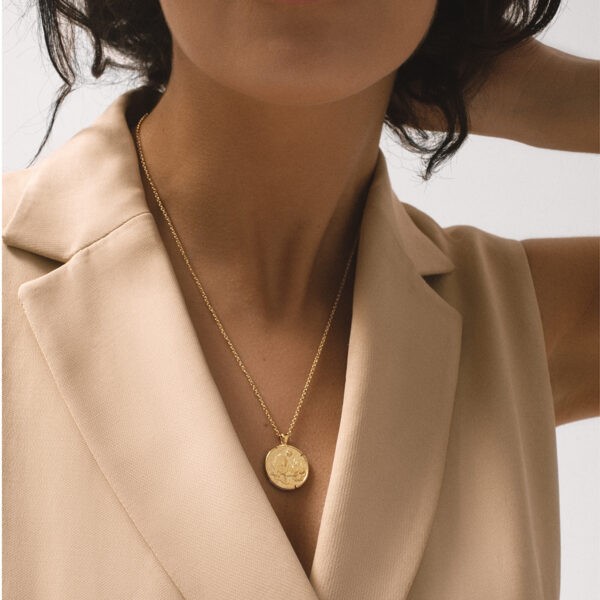
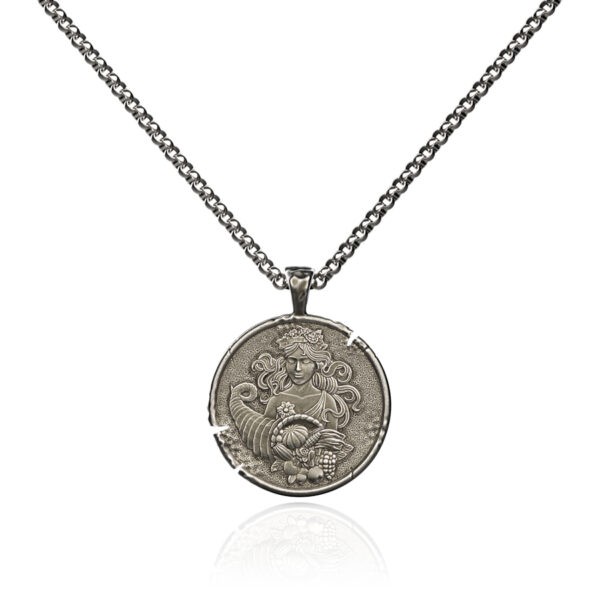
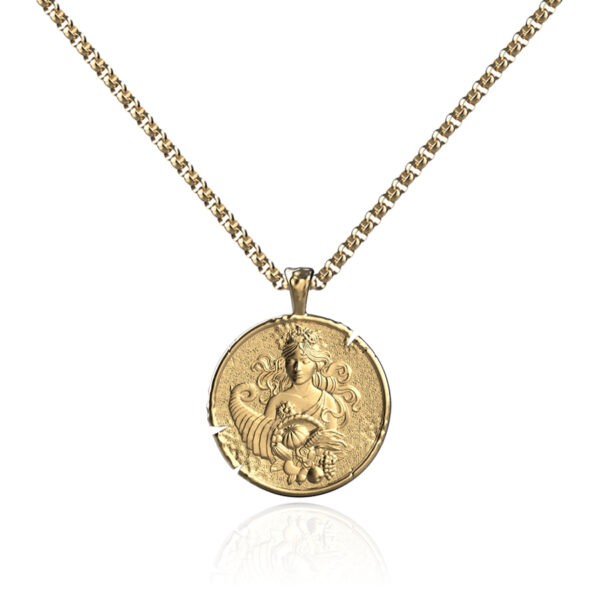
The Zodiac Collection refers to zodiac signs in the form of jewelry. The motif is often chosen as a sign of closeness and remembrance. The collection features 925 sterling silver and gold-plated versions. The design is suitable for gifts with a message. Zodiac signs help add meaning without many words. This accent is fitting for Women’s Day.
The gold plating in the Zodiac collection involves applying a layer of 24-karat gold to silver. The thickness of the coating affects the durability of the gold plating during wear. When gold-plating, it is recommended to avoid water and chemicals. 925 sterling silver has a cool tone and complements many outfits.











Lucky Cat Collection and Maneki Neko Motif
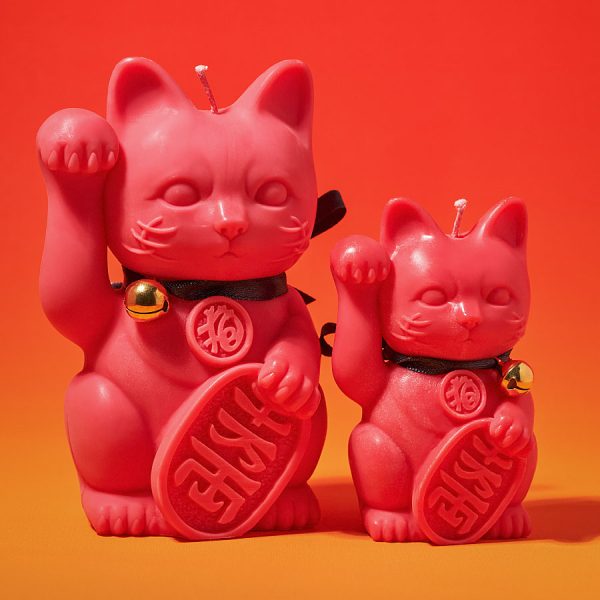
The Lucky Cat Collection refers to the Maneki Neko symbol. The description indicates associations with luck and success. The motif also features a koban coin as a symbol of prosperity. The collection includes jewelry and scented candles.
Service orders can be placed at the Matiere47 store. Pricing is available with each offer. Contacting customer service provides support and consultation before purchase.
Maneki Neko has its roots in Japanese culture and is associated with good fortune. The name derives from the words “neko,” cat, and “maneku,” to beckon. The motif often displays a koban coin, a symbol of financial protection. Such a symbol is suitable as a gift with a simple message for Women’s Day.




How to Choose the Right Handmade Jewelry for Women’s Day
Purchasing the perfect gift requires analyzing several aspects. The recipient’s personal style determines the choice of design. Occasions for wear influence the practicality of the purchase. Matching jewelry to one’s personality ensures frequent use.
The selection of design should also consider sensitive skin. Nickel in metal alloys is the most common cause of reactions. Therefore, it is helpful to inquire about the composition and alloys. Nickel-free metals and high purity are preferable. Improperly chosen materials can cause rashes and itching.
Matching Style to the Recipient’s Personality
Observing daily choices reveals aesthetic preferences. A person who prefers classic styles will appreciate simple, elegant designs. Extroverted individuals will love bold, unconventional projects. Subtle personalities will opt for delicate, minimalist creations.
Personality Types and Suitable Styles:
- Romantic Soul: floral motifs and delicate pendants
- Modern Minimalist: geometric shapes and clean lines
- Boho Lover: natural stones and ethnic patterns
- Classic Elegant: pearls and subtle gold
- Bold Individualist: asymmetrical compositions and contrast
The colors of favorite clothes indicate the preferred palette. Silver harmonizes with black and grays. Warm gold brightens beiges and browns. Colorful jewelry complements a neutral wardrobe base.
The recipient’s lifestyle determines the practicality of different types. An active athlete needs durable designs without protruding elements. An office worker can wear more decorative forms. An artist will appreciate experimental, unconventional solutions.
Earrings and Necklaces for Various Occasions
Handmade earrings are suitable for numerous life situations. Small studs work well for daily activities. Dangle earrings add elegance to evening outfits. Medium-length earrings universally adapt to most occasions.
Necklaces of various lengths serve different purposes. Short chokers accentuate the neck and face distinctly. Medium lengths complement boat-neck necklines. Long pendants optically elongate the figure favorably.
Sets consisting of several elements create a cohesive composition. Earrings that harmonize with a necklace simplify daily choices. A bracelet that completes the set comprehensively enhances the look. The ability to wear them separately or together increases versatility.
Bracelets with Symbolic Motifs
Symbols used in handmade jewelry carry deep meanings. The heart universally represents love and affection. Infinity symbolizes an eternal bond between people. The anchor signifies stability and emotional security.
Semi-precious stones have assigned properties. Amethyst calms and aids meditation. Rose quartz opens the heart to love. Tiger’s eye instills courage and self-confidence. Labradorite protects against negative energies.
Engraving names or dates adds a personal dimension. Geographic coordinates of an important place become a secret code. A quote from a favorite book can inspire daily. Personalization transforms an ornament into a personal talisman.
A symbol can be chosen to match one’s life role and daily rituals. An anchor suits individuals who value constancy and peace. Infinity is associated with a relationship without end. In engraved jewelry, coordinates preserve the location of a significant event. Such details build a personal story without lengthy explanations.
Rings as an Expression of Special Feelings
The symbolism of rings dates back thousands of years. Wearing one on the ring finger is associated with romance. Handmade rings convey deep emotions between people. The form of a closed circle represents infinity and continuity.
Engagements and weddings are obvious occasions for rings. However, friendships also deserve symbolic marking. Friendship rings celebrate platonic relationships. Mothers and daughters can wear matching designs.
A central stone provides focus to the visual composition. A single mineral showcases its natural beauty. A group of smaller stones creates an intricate mosaic. An entirely metal construction highlights craftsmanship through its pure form.
Tip: Measuring your finger size in the evening provides a more accurate measurement, accounting for natural fluctuations.
Comparison of Handmade Jewelry with Mass Production
The jewelry market offers products from various sources. Factory production quantitatively dominates chain stores. Handmade jewelry offers an alternative for conscious consumers. The differences extend beyond the visual aesthetics of the ornaments themselves.
| Aspect | Handmade Jewelry | Mass Production |
|---|---|---|
| Uniqueness | Each piece is unique | Hundreds of identical copies |
| Workmanship Quality | Careful attention to detail | Variable depending on the batch |
| Materials | High-quality raw materials | Often thinner and cheaper |
| Price | 150-2000 PLN per piece | 50-500 PLN typically |
| Durability | Decades with proper care | A few years of intensive wear |
| Personalization | Full according to wishes | Limited or impossible |
| Support for local creators | Direct | International corporations |
The table facilitates quick comparison, but the decision should take lifestyle into account. An active person will more often appreciate a simple design and durable fastenings. Office work allows for more delicate elements. In handmade items, it is easier to adjust length and proportions. In mass production, such adjustments can be limited.
Durability and Resistance to Damage
The thickness of the material directly affects the strength of the construction. Artistic handmade jewelry uses rods with a minimum thickness of one millimeter. Mass production reduces the material to one and a half millimeters for savings. Thinner walls are more easily deformed mechanically.
Hand soldering creates stronger connections between elements. A professional craftsman controls the temperature and processing time. Automatic factory processes use standard parameters. An individual approach eliminates structural weak points.
Surface finish determines scratch resistance. Multi-stage hand polishing creates a harder outer layer. Industrial tumbling saves time but reduces depth. Regular cleaning helps maintain the original shine for years.
Ethical Sourcing of Raw Materials
Consumer awareness of material origins is growing. Jewelry artisans build direct relationships with suppliers. Supply chain transparency allows for verification of sources. Large corporations use intermediaries that hinder control.
Conflict stones finance wars and human rights violations. Kimberley Process certificates confirm the legal origin of diamonds. Small workshops prioritize ethical purchasing standards. Customers can inquire about documentation for each stone.
Recycling old ornaments reduces the need to mine new raw materials. Artists readily rework jewelry scrap into new designs. The environment benefits from a reduced production carbon footprint. A zero-waste approach is appearing in an increasing number of artisan workshops.
In practice, assessing ethical origin relies on a few simple questions. A document confirming the legal trade of raw materials is often important. For diamonds, the Kimberley Process certification system is used. The check also includes the supplier’s compliance with trade regulations. In larger supply chains, due diligence procedures are helpful. The OECD outlines the framework for such control for minerals.
Individual Approach to Each Order
Communication with the creator begins the order fulfillment process. A phone or in-person consultation establishes initial requirements. Handcrafted jewelry allows for modifications during creation. A factory produces according to rigid catalog specifications.
Concept sketches visualize ideas before execution. The client can provide feedback and suggest changes. The artist’s flexibility allows for experimentation with variations. Trials and revisions refine the design to perfection.
Completion of the work does not end the relationship between the parties. The artisan offers maintenance and repair services. Size adjustments or component replacements remain possible. Long-term product care builds customer loyalty.
Price-to-Quality Ratio
The cost of handmade jewelry reflects the artist’s hours of work. Complex techniques require years of practice to achieve mastery. The price includes the value of the creator’s skills and experience. Soutache earrings can cost 180-350 PLN.
A necklace made of natural semi-precious stones ranges from 250-600 PLN. A silver bracelet made using the wire wrapping technique is priced at 320-580 PLN.
An artist-designed gold ring with a stone exceeds 1200 PLN. Prices reflect the complexity of the design and the value of the materials.
Mass production offers lower prices due to economies of scale. However, savings come from inferior materials and simplification. A shorter lifespan requires more frequent replacement purchases. In the long run, a handmade piece proves more economical.
Investment value increases with the artist’s reputation. Works by recognized creators gain market value. Unique creations become sought-after collector’s items. Jewelry can serve as a form of long-term capital investment.
Tip: Inquiring about installment payment options can facilitate the purchase of more expensive, artist-designed jewelry.
FAQ: Frequently Asked Questions
Does handmade jewelry require assay marks, and how can I verify the metal’s purity?
In Poland, regulations govern the trade of precious metal items. An item can be sold after being hallmarked or accompanied by a certificate of analysis. Exemption from assaying and marking applies to items where the weight of precious metal does not exceed 1 gram for gold and platinum, and 5 grams for silver.
Checking markings:
- Verify the presence of an assay mark or certificate of analysis.
- Check for the maker’s mark if the item lacks an assay mark.
- Examine the tag indicating the purity and weight of precious metal for weight exemptions.
It is advisable to request a clear description of the metal’s purity and weight. Such a description minimizes the risk of incorrect assumptions.
How can I identify genuine handmade jewelry before purchasing for Women’s Day?
Handmade items are typically produced in small batches, without large inventory levels. This approach is due to the time involved in manual labor and workshop limitations. A reliable product description specifies the materials and finishing methods. Detail photos showcase texture, clasps, and joins.
Signs of authentic craftsmanship:
- Material descriptions without generalizations, specifying the type of metal.
- Close-up photos showing visible joins and clasps.
- Information about small series production, rather than announcements of mass availability.
- Willingness to answer questions about size and fit.
Consistency in communication is a good criterion. The same style of descriptions, photos, and customer service builds trust.
How do I choose the right ring or bracelet size when buying a gift?
The least risky method involves measuring jewelry that is already in use. The inner diameter of a ring provides a stable reference point. For bracelets, wrist circumference, measured with a slight looseness, can be helpful.
Methods for safely selecting a size:
- Measure the ring’s diameter with a ruler, without measuring the finger.
- Measure the wrist circumference with a tailor’s tape, allowing for comfort.
- Choose adjustable models if the style permits.
Many workshops offer size variations upon ordering. If in doubt, it is recommended to contact them before purchasing. This action reduces errors and returns.
How should I care for handmade silver jewelry with natural stones?
Care begins with limiting contact with water and chemicals.
It is recommended to remove ornaments before bathing, washing hands, swimming, and cleaning. Storing in a closed box, away from moisture, slows down tarnishing.
Daily Care:
- Wipe with a soft cloth, without rubbing the stones.
- Clean metal with water and mild soap, without harsh agents.
- Dry thoroughly after cleaning and store in the box.
Natural stones can be sensitive to scratches and chemicals. Therefore, cleaning should be gentle and brief.
Is handmade jewelry safe for sensitive skin?
Safety depends on the metal composition and coatings. In practice, some workshops declare hypoallergenic materials and nickel-free components. Such information requires clear confirmation in the product description.
What to check before buying:
- Declaration of nickel-free elements that come into contact with the skin.
- Description of the base metal and coatings, without general names.
- Information about clasps and ear wires, as these often contain alloys.
- Possibility of changing elements for alternatives, for sensitive skin.
Skin reactions can occur with inexpensive alloys. Therefore, it is recommended to avoid jewelry with unclear composition. For a history of severe allergies, consulting a doctor may be helpful.
Summary
Handmade jewelry is a thoughtful gift choice for Women’s Day. The unique nature of each piece emphasizes the wearer’s individuality. High-quality craftsmanship guarantees durability for years of wear. The emotional value comes from its creation story and individual character.
The possibility of personalization allows every detail to be tailored to preferences. Engravings add an intimate personal dimension. Birthstones and symbolic motifs lend deeper meaning. Entirely original designs create items impossible to find elsewhere.
Conscious purchasing supports local artists developing their passion. Ethical sourcing of raw materials protects the environment and people. The quality-to-price ratio proves beneficial in the long term. Handcrafted jewelry passed down through generations builds family traditions. Investing in such an ornament brings joy for decades.