
Scented candles featuring the symbol of the Maneki Neko lucky cat combine Japanese tradition with modern aromatherapy. These unique products require proper care to maintain their fragrance intensity and decorative appearance. Proper storage and use of the candles can extend their lifespan by several months.
Natural wax reacts to temperature, light, and humidity. Improper storage can lead to a loss of aroma within just a few weeks. Understanding the basic principles of preserving Maneki Neko scented candles protects your investment in high-quality products.
The correct candle burning technique prevents tunneling of the wax and uneven melting. The wick requires regular maintenance before each use. Neglecting these tasks can shorten burn time by up to half. The following tips will help you enjoy your candles for an extended period.
Optimal Storage Conditions for Maneki Neko Candles
Temperature and humidity directly affect the structure of the wax and the durability of the fragrance compositions. Experts recommend storing candles in stable conditions year-round. The right storage location protects the wax from deformation and preserves fragrance intensity.
The storage place should be cool, dry, and dark. Cabinets, drawers, or closed boxes are ideal solutions. Avoiding sudden temperature changes prevents wax from cracking and creating an uneven surface.
Room Temperature Protecting Wax from Deformation
The wax begins to soften at temperatures as low as 25 degrees Celsius. Optimal storage conditions are between 10 and 20 degrees Celsius. Exceeding this range can cause loss of shape and wax leakage from the container.
Summer heat poses a particular threat to scented candles stored in non-air-conditioned rooms. The wax softens, leading to an uneven surface. In winter, however, excessively low temperatures can cause cracks on the surface. A stable room temperature throughout the year provides the best protection.
Recommended storage locations:
- Cupboards in bedrooms and living rooms with regulated temperature
- Dressers with drawers that protect against light
- A closet with good ventilation
- Shelves in storage areas away from radiators
Apartments with central heating require special attention in winter. Radiators emit heat that spreads several meters away. Decorative candles should be placed at least one meter away from heat sources. In summer, it is better to move them to cooler rooms on the north side.
Protection from Direct Sunlight and UV Rays
Ultraviolet rays degrade essential oils and cause colored wax to fade. Exposure to sunlight for just a few weeks can reduce fragrance intensity by half. Direct sunlight also accelerates the melting process.
Window sills are the worst place to store scented candles. Window glass amplifies the effect of sunlight like a lens. Even dark curtains do not provide full protection against UV radiation. Dark rooms or closed cabinets are a safe solution.
Natural dyes used in high-quality candles are particularly sensitive to light. Purple, pink, and blue wax loses color faster than earth tones. Storing in original cardboard packaging protects against fading. The boxes also insulate against temperature changes.
Dry place protecting against moisture and condensation
Humidity above 60 percent promotes condensation of water vapor on the surface of the wax. Water droplets weaken the structure of the candle and cause white discoloration. Storing candles in bathrooms or kitchens increases the risk of damage.
Water vapor penetrates through loose lids and accumulates on the wax. Moist wax burns unevenly and releases less fragrance. An additional problem is the development of mold on organic soy wax. Hygrometers help monitor humidity levels in rooms.
Ways to protect against moisture:
- Using moisture absorbers in closets
- Regularly ventilating storage rooms
- Avoiding basements and unheated garages
- Checking container seals monthly
Sudden temperature changes cause condensation even in dry rooms. Moving candles from a cold storage area to a warm room requires gradual acclimatization. Leaving the product in its packaging for a few hours prevents droplet formation. This simple rule protects the wax from damage.
Tight containers preventing fragrance evaporation
Essential oils are volatile and gradually evaporate from the surface of the wax. A candle without a lid loses up to 30 percent of its scent intensity within three months. Tight lids create a protective barrier and preserve the fragrance composition.
Most scented candles from Maneki Neko come with dedicated lids that fit the container. Placing the lid on immediately after extinguishing the flame traps volatile fragrance molecules. Glass jars with silicone seals provide the best protection. Alternatively, aluminum foil or ziplock bags can be used.
Mixing different scents in one space leads to overlapping fragrances. Lavender can take on vanilla notes, and citrus can smell like coffee. Each candle should be stored separately in a closed container. Breakfast paper between candles further isolates scents.
Proper burning of scented candles with the lucky cat symbol
The technique of burning a candle affects the evenness of wax consumption and the intensity of fragrance distribution. The first lighting creates a “memory” of melting that determines how it burns throughout its lifespan. Mistakes during initial uses lead to tunneling and wastage of wax.
Preparing the candle before its first lighting involves checking the wick length and removing protective stickers. The room should be free from drafts. Stable conditions ensure even burning and full utilization of the fragrance potential.
First use and creating an even wax melt
The wax has the property of remembering the first melting pattern. Burning too short during the inaugural use creates a narrow tunnel in the center. Intact wax along the walls remains wasted for the rest of the candle’s life.
The one-hour-per-inch diameter rule determines the minimum time for the first burn. A candle with a diameter of 8 centimeters requires about 3 hours of continuous flame. Full melting of the top layer from edge to edge establishes the correct pattern. Interrupting this process destroys the potential of the scented candle.
The room temperature affects the speed of wax melting. In cooler rooms, the process takes longer than under standard conditions. Observing the edges of the container helps determine when full melting occurs. The liquid should reach all sides evenly.
Maximum single burn time for quality preservation
Continuous burning of a candle for more than 4 hours overheats the wax and causes excessive evaporation of oils. Prolonged exposure to high temperatures destroys the fragrance composition. The wick becomes excessively long and starts to smoke.
Experts recommend burning sessions lasting between 2 and 4 hours. This time frame ensures full melting of the surface without overheating the wax. Breaks between sessions allow the wax to solidify evenly. Decorative candles then maintain their aesthetic appearance and intense aroma.
Optimal usage schedule:
- Morning: 2 hours during breakfast and tidying up
- Evening: 3 hours during relaxation
- Weekend: maximum 4 hours during gatherings
- Break minimum 2 hours between sessions
Lighting the candle too frequently without sufficient breaks weakens the wax structure. The surface remains soft and prone to deformation. The wick does not have time to properly solidify in the wax. Following recommended intervals extends product lifespan by weeks.
Extinguishing the flame without smoke or wax splatter
Blowing out a candle is the worst way to extinguish a flame. Air disperses soot particles throughout the room, causing an unpleasant odor. Melted wax splatters onto the container walls, creating black spots.
Special candle snuffers are covered with a bell that extinguishes flames without air. Placing a snuffer over the wick for 2 seconds effectively smothers the fire. This method does not generate smoke or fragrant combustion products. Professional snuffers cost between 20 to 50 PLN in home goods stores.
A wick dipper provides an alternative method for safely extinguishing flames. The tool bends the burning wick into melted wax, which immediately extinguishes the flame. After a second, straighten the wick back up. This technique also coats the wick in wax and prepares it for next use. A metal pin or toothpick can be used as a makeshift dipper.
Placing the Candle Away from Drafts
Air movement disrupts the evenness of the flame and causes asymmetrical melting of the wax. Drafty areas affect the tilt of the flame, leading to one-sided burning. Scented candles near open windows or fans lose scent intensity.
Air conditioning and ceiling fans are the most common sources of drafts in apartments. Even a subtle air movement destabilizes the candle flame. Ideal locations are coffee tables, wall shelves, and dressers away from ventilation devices. Corners of rooms usually provide the calmest conditions.
Features of a Safe Location:
- Stable surface without vibrations
- Distance of at least 30 centimeters from curtains
- No direct airflow
- Height preventing access by children and pets
Drafts also cause excessive smoking of the candle. An unstable flame produces more soot, which settles on the walls of the container. Black marks require more frequent cleaning and spoil aesthetics. A quiet place without air movement eliminates this problem.
Tip: Testing a location by lighting a match helps detect invisible drafts. The match flame should remain vertical without tilting.
Wick Maintenance for Long-Lasting Use
The wick is responsible for even wax burning and scent distribution. A wick that is too long smokes and creates soot, while one that is too short gets lost in the wax. Regular maintenance of this element ensures clean burning throughout the lifespan of a scented candle.
The wick material, usually cotton or linen, requires trimming before each use. Burnt residue from the previous session weakens the fiber structure. Removing charred pieces restores proper wax absorption capability.
Trimming the Wick Before Each Candle Lighting
Candle manufacturers recommend a wick length equal to 6 millimeters above the wax surface. This precise measurement ensures a stable flame at an optimal height. A wick that is too long creates a large, unstable fire that emits soot.
Specialized wick trimmers have curved blades perfectly suited for working in containers. They catch charred pieces, preventing them from falling into the wax. The tool costs between 15 and 40 PLN in home accessory stores. Alternatively, small scissors or nail clippers can be used.
Wick trimming should be done when cold, after the wax has completely solidified. Attempts to trim in melted wax result in dipping the wick into the liquid. A sharp cut half a centimeter from the wax leaves ideal proportions. Residues should be removed from the surface before lighting.
Removing Burnt Residue from Wax Surface
Charred pieces of wick falling onto the wax create black contaminants. Leftover particles ignite again during the next use and generate smoke. Storing candles in a clean state eliminates unpleasant odors when lighting.
Paper towels or tissue effectively pick up small remnants of hardened wax. A gentle touch with a damp cloth transfers the burnt residue without damaging the surface. In the case of fragments being embedded in the wax, tweezers can be used to extract them. Cleaning after each smoking session takes just a few seconds.
| Type of contamination | Cleaning method | Tool |
|---|---|---|
| Burnt residue on the surface | Dry paper towel | Paper towel |
| Particles in the melted layer | Tweezers | Cosmetic tweezers |
| Soot on the walls | Damp cloth | Microfiber cloth |
| Dust on wax | Dry wipe | Stockings or cloth |
Regular cleaning of the wax extends the aesthetics of the decorative candle throughout the product’s life. Impurities hinder even melting and affect the intensity of the fragrance. Spending a minute on maintenance after each use pays off with a better experience during the next lighting.
Proper wick length according to manufacturer recommendations
Each type of wax requires a different wick length for optimal burning. Soy wax burns cooler than paraffin, which affects the proportions. Maneki Neko candles from Matiere47 have precisely selected wicks for the wax composition.
The standard manufacturer recommendation is a length between 5 and 7 millimeters. Deviations from this norm lead to burning issues. A wick that is too short gets lost in the melted layer of wax and extinguishes itself. An excessively long wick creates a high flame that poses safety risks.
Observing the flame during the first uses helps determine the ideal length for a specific candle. A stable, even flame about 2 centimeters high indicates correct proportions. A flickering or smoking flame signals the need to adjust the wick length. Making a note of the optimal length for a given product facilitates future maintenance.
Tip: Keeping small scissors or wick trimmers next to the candle serves as a reminder to regularly trim the wick before each use.
Maintaining fragrance intensity over a long period
The essential oils responsible for the candle’s aroma are volatile substances. Improper storage and usage accelerate their evaporation. Scented candles can lose up to half their intensity within a few months without proper protection.
Fragrance compositions contain top, heart, and base notes with varying durability. Citrus aromas evaporate the fastest, while woody notes remain stable for years. Comprehensive protection of all fragrance layers requires proper care.
Covering the candle with a lid after each use
Melted wax immediately after extinguishing emits the most essential oils. Leaving the candle uncovered for an hour after burning results in significant loss of fragrance. Immediately covering it with a lid retains volatile particles.
The lid should be placed on only when the wax stops evaporating, usually after 2 minutes from extinguishing. Covering too early may trap water vapor inside the container. Ideal lids have small ventilation holes that regulate air exchange. An airtight seal protects against dust and impurities.
Types of candle lids:
- Original glass lids fitted to the container
- Metal covers with silicone seals
- Wooden lids in Scandinavian style
- Universal glass domes covering the entire candle
Candles without dedicated lids can be secured with aluminum foil or parchment paper. The material should loosely cover the surface without direct contact with the wax. Alternatively, special candle domes create elegant protection and decorative elements. Investing in an appropriate lid pays off by extending fragrance longevity by months.
Cleaning Wax from the Walls of the Container Between Burnings
During burning, small droplets of wax settle on the inner walls of the container. Uncleaned layers accumulate dust and weaken the aesthetics of the decorative candle. Melted wax on the walls does not participate in the combustion process and is wasted.
A warm paper towel effectively removes residue from the inside of the glass. A gentle wipe right after extinguishing the candle collects fresh wax effortlessly. Cold wax requires the use of heat guns or warm water to soften it. Regular cleaning every 3 burns prevents the buildup of deposits.
Vegetable oil dissolves stubborn soot and wax stains on glass. A few drops of oil on a microfiber cloth soften the contaminants. After removing the residue, rinse the container with warm soapy water. A clean glass jar enhances the visual effect and allows you to observe the condition of the wax.
The Shelf Life of Essential Oils with Proper Storage
Essential oils in candles retain their properties for a period of 2 to 4 years under optimal conditions. Light, heat, and exposure to air accelerate the degradation of aromatic compounds. A dark, cool storage place maximizes the longevity of the composition. Natural oils from citrus, mint, and grasses lose intensity the fastest. Woody, oriental, and spicy aromas remain stable for years. Scented candles with blends containing delicate notes require special protection. Storing in original boxes blocks light access and creates a stable microenvironment.
Unopened candles retain full intensity for about 3 years from the production date. After first use, their shelf life shortens to 6 months under standard storage conditions. Airtight covering and cool conditions can extend this time to a year. Regularly checking aroma intensity helps determine the optimal moment for use.
Expiration Date of Scented Candles and Their Aroma
Expired scented candles do not pose a health risk but lose their aromatherapeutic properties. The wax burns normally, but without its characteristic scent. Some old candles may emit an unpleasant burnt smell when burned.
Manufacturers typically do not place expiration dates on candles. Determining a product’s age requires checking the purchase date or markings on the packaging. Candles purchased from official Matiere47 stores come with a freshness guarantee. Products lingering on discounted shelves may already be partially depleted.
Signs of Candle Aging:
- Poor or altered aroma before lighting
- Fading of intense wax colors
- Cracks and unevenness on the surface
- Lifting layers in multi-layered candles
Candles stored according to recommendations retain their aroma much longer than declared shelf life. Airtight containers and stable temperatures slow down oil degradation. Rotating collections and using older candles first minimizes aromatic losses. Proper inventory organization ensures fresh products for a long time.
Tip: Labeling candles with the purchase date makes it easier to control rotation and ensures optimal usage time.
Maneki Neko Scented Candles at Matiere47 Store
Family jewelry workshop in Warsaw’s Żoliborz has been creating unique silver accessories since 2017. Each piece is handmade, from sketch to final product. Traditional jewelry craftsmanship merges with modern technologies in the process of creating necklaces, rings, bracelets, and earrings. The range also includes exclusive scented candles from the Maneki Neko collection inspired by the Japanese symbol of luck.
Symbolic jewelry with a deep message is Matiere47’s specialty. Collections inspired by astrology and Japanese culture attract those who value originality. 925 sterling silver forms the basis for elegant, durable adornments.
Jewelry Craftsmanship Combined with Innovation
Matiere47 was born out of a passion for beauty and professionalism from its two founders. An experienced jeweler and a lawyer with a love for modern design co-create unique projects. Each product undergoes supervision at all stages of production. Custom orders include personalized engagement rings and wedding bands. Precision craftsmanship and attention to detail characterize all accessories from the workshop.
The family atmosphere of the workshop ensures personal contact with clients. Consultations allow for customizing jewelry to meet expectations and style. The creative process is based on skill and the pursuit of perfection.
Zodiac Jewelry as an Expression of Personality
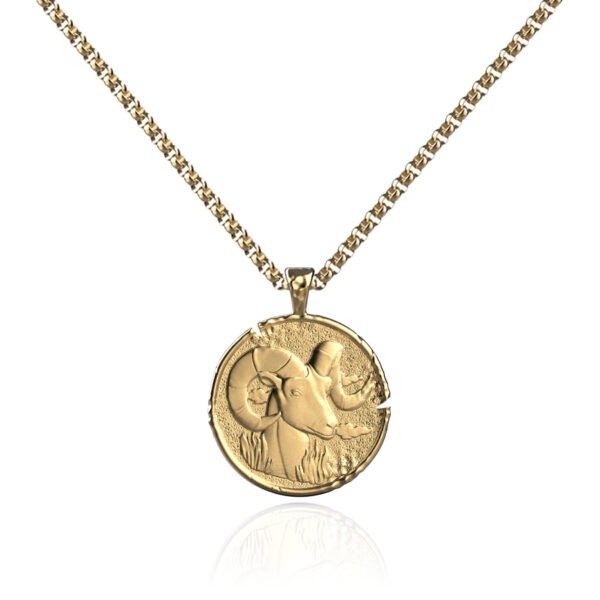
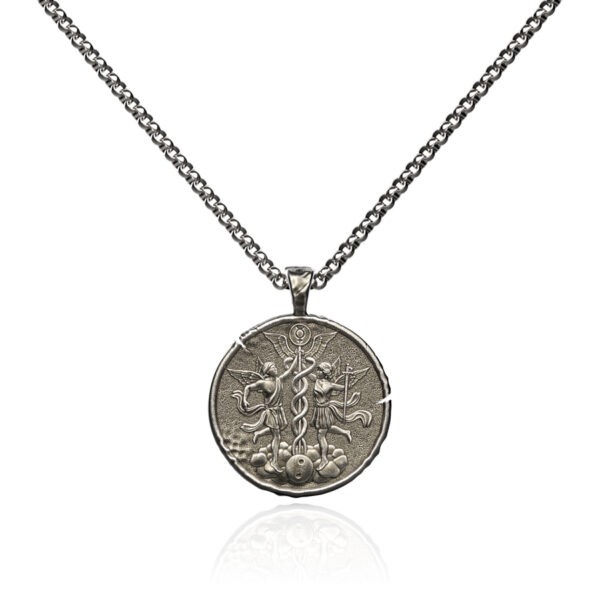
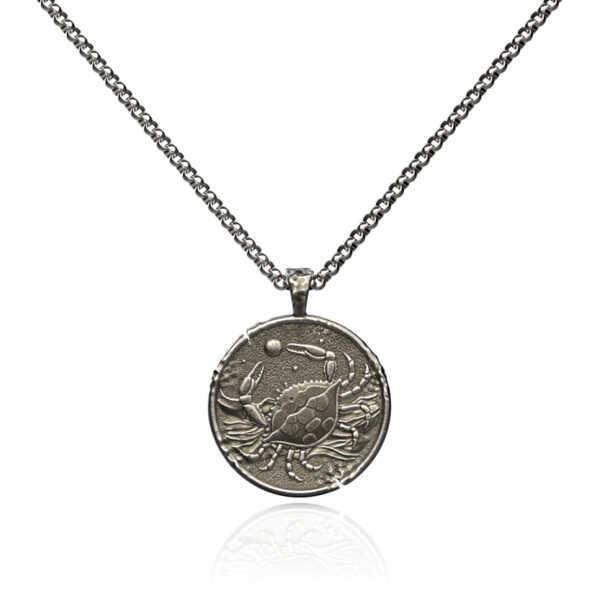
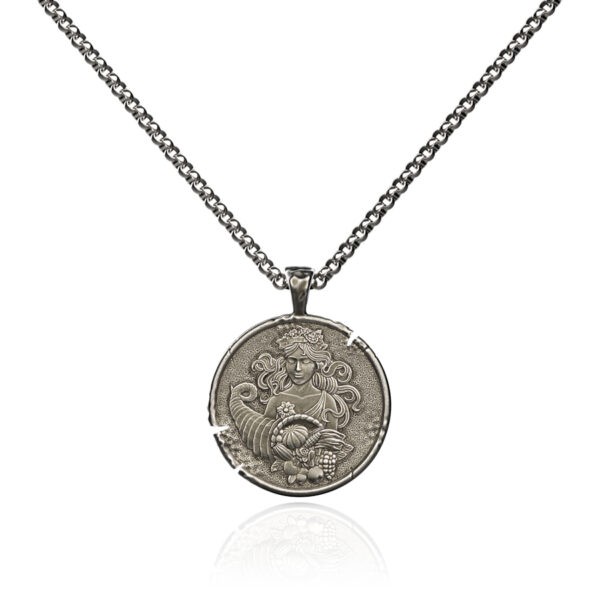
Zodiac Sign Necklaces combine astrology with jewelry making. Silver pendants represent twelve astrological symbols. Gold-plated variants offer a warm glow of gold at an accessible price. The minimalist design suits both everyday and elegant styles. The symbolism of the zodiac gives the jewelry a deeper meaning as a personal talisman.
Delicate forms highlight the individual style of both women and men. Precise finishing ensures that each necklace retains its shine for years. Decorative packaging makes the products an ideal gift for birthdays or anniversaries.

















Lucky Cat as a Symbol of Luck in Jewelry
Maneki Neko, the Japanese lucky cat, inspires a unique collection of accessories. Necklaces and bracelets depict a waving cat as a talisman of wealth. The golden symbol attracts good fortune and protects against hasty decisions. Contemporary design blends Japanese tradition with modern aesthetics.
Lucky Cat Jewelry is also available as scented candles featuring a cat motif. The aroma and decorative form create a harmonious composition. Natural wax ensures long burning and an intense scent. Symbolic additions with a message are a distinctive element of Matiere47’s offerings.
We invite you to explore the full range of jewelry in the Matiere47 online store. Checking current proposals and prices is available on the workshop’s website. Consultations and assistance in choosing the right accessory can be done through direct contact. Each project can be customized to individual needs and style preferences.
Avoiding Common Mistakes That Damage Decorative Candles
Typical neglect in candle care leads to premature destruction of the product. Errors in storage and burning can shorten lifespan by up to half. Awareness of common pitfalls helps avoid costly losses.
Maneki Neko candles, as premium products, require consistent care. An investment in a high-quality scented candle should be protected by following basic principles. Eliminating typical mistakes ensures years of enjoyment from aromatic products.
The Effects of Exposing Candles to Extreme Temperatures
Temperatures above 30 degrees Celsius soften the wax and deform the shape of the candle. Summer heat in uninsulated rooms leads to melting of the upper layer. Wax spills out of the container, creating unsightly drips.
Frost below 5 degrees causes the wax to shrink and crack. Quickly moving a frozen candle to a warm room worsens the situation. Condensation settles on the cold surface, damaging its structure. Gradual acclimatization over several hours prevents thermal damage.
Cars parked in the sun reach internal temperatures exceeding 60 degrees in summer. Leaving candles in the trunk for several hours causes complete melting. Transporting scented candles requires insulated bags or Styrofoam containers. Purchases should be moved to cool rooms immediately after returning.
Preventing Dust Buildup on Wax Surfaces
Dust settling on wax creates a gray layer that diminishes aesthetics. Dirt particles ignite during burning, producing smoke. Open candles in dusty rooms require cleaning before each use.
Microfiber effectively removes dust without scratching the wax surface. Gently wiping with a dry cloth collects particles and restores shine. Old pantyhose also work well for cleaning candles. The material generates a slight electrostatic charge that attracts dust.
Methods for Dust Protection:
- Storing in airtight containers between uses
- Placing in display cases or on covered shelves
- Regularly wiping with microfiber once a week
- Avoiding exposure in areas with high air movement
A damp cloth removes stubborn dust but requires complete drying before lighting. Water left on the wax can cause spattering and crackling while burning. Dry cleaning is a safer maintenance method. Candles displayed as decorations require more frequent care than those stored in cabinets.
Cleaning soot marks with a paper towel
Black soot marks on the inner walls of the container spoil the appearance of the candle. The residue forms due to a wick that is too long or burning in drafts. Regular cleaning prevents the buildup of stubborn stains.
A damp paper towel effectively removes fresh soot from glass. A gentle wipe right after cooling the container eliminates black marks. Stubborn stains require the addition of vegetable oil or vinegar. Oil softens the waxy soot and allows for easy removal.
A mixture of water and vinegar in a two-to-one ratio dissolves impurities. Spraying the walls and wiping after a minute restores the transparency of the glass. A final rinse with clean water removes any cleaning product residues. Decorative candles in clean containers look much more attractive.
Placing candles in areas with stable temperatures
Temperature fluctuations between day and night affect the structure of the wax. Rooms that are periodically heated, such as bedrooms, are not ideal locations. Daily heating and cooling cycles cause microscopic cracks.
Living rooms and dining rooms with central heating provide stable conditions around the clock. A temperature maintained between 18 to 22 degrees protects the wax from changes. Home offices with adjustable air conditioning also make safe places. Avoiding rooms with large fluctuations extends the lifespan of scented candles.
Comparison of storage locations:
| Room | Temperature Stability | Recommendation |
|---|---|---|
| Living Room with Central Heating | High | Ideal |
| Bedroom | Medium | Acceptable |
| Bathroom | Low | Not Recommended |
| Kitchen | Very Low | Avoided |
| Closet | High | Very Good |
Monitoring conditions in different rooms helps choose the optimal location. Simple room thermometers cost a few dollars and provide valuable information. Candles should be moved to more stable locations in case of issues. Consistently maintaining the proper conditions ensures the longevity of the products.
Tip: Placing candles on middle shelves of cabinets provides the most stable temperature, away from warm ceilings and cool floors.
Summary
Proper care of Maneki Neko scented candles extends their lifespan and preserves the intensity of the fragrance for many months. Storing them at a temperature between 10 and 20 degrees Celsius in a dark, dry place protects the wax from deformation. Tight lids prevent the evaporation of essential oils and maintain the fragrance composition.
The correct burning technique starts with fully melting the surface during the first use. Trimming the wick to 6 millimeters before each lighting eliminates smoking and ensures clean burning. Sessions lasting from 2 to 4 hours maximize efficiency without overheating the wax. Extinguishing with a snuffer or wick dipper eliminates smoke and splatter.
Regular maintenance includes cleaning the walls of the container, removing charred material, and protecting against dust. Avoiding extreme temperatures, humidity, and direct sunlight extends the product’s lifespan by even years. Maneki Neko candles, with proper care, provide aromatherapeutic experiences throughout their shelf life, combining Japanese symbolism of good fortune with a high-quality scent experience.