
Moisture poses one of the greatest threats to the silk cord used in jewelry making. Water molecules penetrate deep into the protein structure of the fibers, causing irreversible changes. Natural silk consists mainly of fibroin and sericin. These are proteins capable of absorbing moisture up to 30% of their own weight. Contact with water weakens the hydrogen bonds between the polypeptide chains.
Bracelets made of natural silk lose their mechanical strength under excessive moisture. Exposure to a humid environment leads to fiber degradation. The silk structure expands when absorbing water molecules. This process irreversibly alters the material’s physical properties. Regular exposure to moisture shortens the lifespan of jewelry from several years to just a few months.
Seasonal humidity fluctuations in the Polish climate are particularly damaging to delicate silk cords. Summer sweat, winter frost, and autumn rainfall present constant challenges. Proper care requires understanding the mechanisms of water interaction with the protein structures of silk. Understanding the degradation process allows for effective protection of valuable jewelry. Every lover of natural materials should know methods of protection against moisture.
What Happens to the Structure of Silk Fibers Under the Influence of Moisture
Silk fibers contain two main protein components with different hydrophilic properties. Fibroin constitutes 72 to 81% of the fiber’s mass. Sericin forms the outer coating, making up the remaining 19 to 28%. The chemical structure of silk consists of hydrophobic and hydrophilic regions. The block copolymer structure determines the material’s reaction to water.
Water molecules initially penetrate the amorphous areas of the silk fiber. Crystalline regions remain more resistant to moisture penetration. Hydrophilic amino acids containing amino and carboxyl groups bind with water. This process occurs through the formation of hydrogen bonds between proteins and H₂O molecules.
The Impact of Water Molecules on Silk Protein Chains
Water penetration initiates a cascade of structural changes in silk polypeptide chains. H₂O molecules disrupt existing hydrogen bonds between adjacent protein chains. Hydration reduces intermolecular cohesive forces in non-crystalline regions. Water acts as a plasticizer, increasing the mobility of protein chains.
The glass transition temperature of silk decreases during moisture absorption. The water plasticization effect intensifies with an increase in relative humidity above 23%. Free water molecules appear at higher humidity levels. Bound water plays a crucial role in altering the material’s mechanical properties.
The intensity of degradation depends directly on the water content within the fiber structure. Silk materials can absorb moisture up to a 60% increase in thickness. Samples treated with methanol show higher absorption than water-annealed samples. Mass loss during water evaporation reaches 40 to 80%.
Process of Weakening Natural Bonds in Fiber Structure
Hydrogen bonds stabilizing the silk structure are broken by water molecules. Hydration disrupts the spatial arrangement of polypeptide chains. Glycine-rich regions form helical structures upon exposure to moisture. Helix-helix interactions lead to accelerated reorganization of the secondary structure.
Thermal degradation of silk does not significantly change with water content. The temperature of moisture removal decreases with increasing water content. Increased free water in silk material promotes faster evaporation at lower temperatures. This process weakens the mechanical integrity of the fibers.
Crystalline structure of beta-sheets is the main strength component of silk fiber. Water molecules have limited access to densely packed crystalline regions. Peptide chains are arranged parallel and tightly in beta-sheet areas. Moisture primarily penetrates amorphous zones where chains are more loosely arranged.
Fun Fact: Natural silk can absorb up to 30% of its weight in water without immediately losing elasticity. The fiber maintains its softness even in a humid environment, although its mechanical strength gradually decreases.
Changes in the Mechanical Strength of Silk Cord
The elastic modulus of silk decreases during water absorption by natural fibers. Water plasticization increases chain mobility in amorphous regions. Fibers lose stiffness, becoming more susceptible to deformation. Tensile strength decreases proportionally to the level of hydration.
Moisture absorption capacity is below 9% for most silk fibers. Moisture regain reflects the material’s ability to retain water. The dominance of hydrophobic amino acids limits total water absorption. Nonpolar amino acids are the main component of silk fibroin structure.
The mechanical properties of silk cord undergo irreversible deterioration after repeated exposure to moisture. Wetting and drying cycles accelerate fiber degradation. The crystalline structure becomes partially disorganized during each hydration cycle. Long-term exposure leads to brittleness and fragility of the cord.
Difference Between Short-Term and Long-Term Exposure to Moisture
Short episodes of contact with water cause reversible changes in the silk structure. The material absorbs moisture rapidly within the first 20 minutes of exposure. The process slows down and reaches saturation after about 60 minutes. Proper drying can restore some of the fiber’s original properties.
Long-term exposure to a humid environment induces permanent structural modifications. The reorganization of protein chains occurs irreversibly. Fibers lose their natural luster and elasticity. Degradation continues even after the moisture source is removed.
Mold and fungi grow on moist silk surfaces. Microorganisms colonize the material at relative humidity above 70%. Mold growth causes irreversible damage to the protein structure of the fibers. Fungal enzymes break down fibroin, creating permanent discoloration.
Additionally, prolonged exposure to moisture can affect the hydrogen bonds in the amorphous zones of the fiber. This leads to the formation of microcracks in the structure and a weakening of mechanical strength. Even minimal stress during wear or use accelerates the degradation process.
Recognizing Signs of Moisture Damage
Early detection of changes caused by moisture allows for effective remedial action. Silk cords exhibit characteristic symptoms of water degradation. Visual and tactile observation reveals progressive material damage. Regular inspection of jewelry helps prevent more serious problems. Understanding the signs of degradation is fundamental to the proper care of silk products.
Furthermore, changes in fiber structure can manifest as a loss of luster and stiffness or stretching of the cord. Uneven stress and emerging microcracks indicate the initial stage of degradation. Prompt action and proper drying help preserve the material’s aesthetics and durability.
Visible Changes in the Appearance and Texture of Silk Cord
The surface of silk fiber changes texture under excessive moisture. The material becomes rough to the touch, losing its original smoothness. The cord may exhibit uneven thickness along different sections. Areas particularly exposed to moisture show greater structural degradation.
Basic Signs of Damage:
- Roughness of the fiber surface instead of original smoothness
- Uneven cord thickness in certain sections
- Change in material elasticity, increased stiffness or limpness
- Visible cracks or fraying of individual fibers
- Dulling of the surface in areas of contact with water
The color of the silk cord may change in water-saturated areas. The natural white of silk turns yellow with prolonged exposure to moisture. Dyes used for coloring can smudge and bleed, creating unsightly streaks and discoloration that are difficult to remove.
The structure of the weave or knots on the silk cord loosens after becoming wet. Wet fibers increase in volume, stretching previously taut connections. Drying causes the material to shrink, altering the geometry of the knots. This process weakens the integrity of the bracelet’s construction.
Loss of Natural Luster and Fiber Elasticity
The characteristic sheen is a distinguishing feature of high-quality natural silk. Moisture damages the surface layer responsible for light reflection. The fibers become dull, losing their luxurious appearance, and the degradation of sericin accelerates the loss of luster.
The elasticity of the silk cord decreases proportionally to the degree of fiber hydration. The material loses its ability to return to its original shape after stretching. The fibers become brittle and fragile. Mechanical stress leads to the breakage of weakened fragments.
Degrees of Elasticity Loss:
- Slight reduction in elasticity while maintaining basic functionality
- Distinct material stiffness, difficulty in knot formation
- Brittle fibers breaking under minimal mechanical stress
- Complete structural degradation, inability to use the cord
The hygroscopic nature of silk causes the fibers to react quickly to changes in ambient humidity. The material absorbs and releases moisture according to atmospheric conditions. Cyclic changes in fiber volume accelerate the aging process. The crystalline structure gradually disintegrates with each cycle.
Formation of water stains and discoloration on the material
Water droplets leave characteristic marks on the surface of silk material. Minerals and salts dissolved in water deposit as the water evaporates. Light or dark rings form around the area of contact with the liquid. Hard water containing calcium creates particularly visible deposits.
Discoloration can result from chemical reactions between water and substances present on the skin’s surface. Sweat contains salts, proteins, and other organic compounds. Sweat components penetrate the structure of the silk fiber when wearing jewelry. The process intensifies under conditions of high humidity and temperature.
Stains resulting from contact with moisture:
- Yellow stains forming when drying in the sun or near a heater
- White mineral deposits from hard water
- Brown discoloration from reactions with metals present in jewelry
- Dark streaks from dust and dirt adhering to wet fibers
Chlorine in pool water particularly damages silk fibers intensely. Oxidative reactions lead to the degradation of the material’s protein structure. Sea salt acts corrosively, leaving crystalline deposits. Both saltwater and other aggressive environments should be strictly avoided when wearing silk jewelry.
When a bracelet requires immediate intervention
Complete soaking of a silk bracelet requires immediate action. Every minute of delay increases the risk of irreversible damage to the fiber structure. Immediate rescue measures can save valuable jewelry from destruction. Delaying intervention for several hours dramatically worsens the prognosis.
Visible mold or fungi on the surface of the silk cord indicate advanced degradation. Microbial colonization proceeds rapidly in a humid environment. Enzymes produced by fungi break down the protein structure of the fibers. Professional intervention becomes necessary in such cases.
| Symptom of Damage | Urgency of Action | Possibility of Self-Repair |
|---|---|---|
| Slight surface dampness | Immediate | Yes, towel dry |
| Complete soaking | Within 5 minutes | Yes, special drying technique |
| Visible discoloration | Within 24 hours | Limited, may require a professional |
| Mold or mildew | Immediate | No, professional restoration required |
| Broken fibers | Condition assessment | No, string replacement necessary |
The loss of the string’s mechanical strength poses a direct threat to the entire bracelet. Weakened fibers can break during wear, causing the loss of valuable components. Regular testing of the string’s tension allows for the detection of critical degradation. Replacing a weakened string prevents the irreversible loss of jewelry.
Effective Methods for Protecting Jewelry from Excessive Humidity
Proper jewelry storage with silk string is fundamental for long-term protection against moisture. Controlling environmental parameters eliminates the main threats to delicate natural fibers. Systematic application of protective measures extends the lifespan of valuable items. Investing in appropriate storage conditions pays off many times over.
Prevention always yields better results than later repair of damaged silk fibers. The cost of purchasing suitable containers and moisture absorbers is a fraction of the value of precious jewelry. Education in proper care protects against costly mistakes. Habits acquired during daily routines become a natural part of handling delicate materials.
A comprehensive approach to protection includes both storage and conscious wearing of bracelets. Planning activities allows for avoiding situations that expose silk to moisture. Removing jewelry before bathing, cleaning, or exercising prevents most problems. Consistency in adhering to protection rules guarantees the preservation of beauty and functionality for years to come.
Optimal Storage Conditions for Silk Bracelets
The relative humidity of the air should be maintained between 45% and 60% for optimal silk protection. Levels below 40% lead to dryness and brittleness of the fibers. Values exceeding 65% promote the growth of mold and fungi. A hygrometer allows for monitoring conditions in the storage area.
Storage temperature should not exceed 20 degrees Celsius. High temperatures accelerate the degradation processes of silk’s protein structure. Sudden thermal fluctuations cause moisture condensation on the material’s surface. Stable, moderately cool conditions provide the best protection.
Storage Location Requirements:
- A dark room without direct sunlight
- Good air circulation to prevent moisture stagnation
- Absence of heat sources such as radiators or stoves
- Isolation from humid areas like bathrooms or kitchens
- Stable temperature year-round without drastic fluctuations
Direct sunlight damages silk fibers through photochemical reactions. UV radiation degrades the protein structure and causes dyes to fade. Wet silk exposed to the sun turns irreversibly yellow. A dark storage location protects against photodegradation.
Use of Moisture Absorbers in Storage Areas
Gel sachets containing silica are an effective solution for humidity control. The absorbent material binds excess water vapor from the environment. A single sachet protects a space of approximately 30 cubic centimeters. Replacing the absorber every 2–3 months ensures continuous protection.
Activated carbon further neutralizes unpleasant odors and absorbs moisture. The porous material provides a large active absorption surface area. Carbon sachets can be regenerated by drying at low temperatures. This solution is economical and environmentally friendly for long-term use.
Silica gel is the most popular choice among desiccants used in jewelry. Reusable sachets can be reactivated by heating. Activated carbon offers an additional odor neutralization function in addition to moisture absorption. This material is particularly effective in enclosed spaces for storing valuable items.
Calcium chloride is used in rooms with very high humidity. This substance exhibits stronger hygroscopic properties than standard silica gel. Bentonite, as a natural mineral, provides an environmentally friendly alternative to synthetic desiccants. Each type of desiccant has specific applications depending on environmental conditions.
Colorimetric indicators in the sachets signal when the desiccant needs to be replaced. A color change from blue to pink indicates that the material is saturated with moisture. Regeneration by heating at 120 degrees Celsius restores its properties. Repeated use reduces long-term protection costs.
Choosing the Right Containers and Protective Packaging
Cardboard boxes lined with soft fabric provide basic protection for silk jewelry. The material must be acid-free, as acids degrade natural fibers. Cotton lining absorbs excess moisture and protects against scratches. Individual compartments prevent tangling of cords.
Vacuum packaging is absolutely unsuitable for storing silk items. Lack of air circulation promotes moisture condensation on the material’s surface. Compressed fibers lose their natural structure and elasticity. Mold develops rapidly in a closed, humid environment.
Suitable packaging materials:
- Cotton bags that are breathable and moisture-absorbent.
- Wooden boxes made of natural, unvarnished wood.
- Acid-free cardboard or parchment paper as lining.
- Velvet interiors of jewelry boxes protecting against mechanical damage.
Plastic containers can be used provided they are ventilated. A tight seal creates an environment conducive to water vapor condensation. Ventilation holes or micro-gaps ensure air exchange. Combining them with a moisture absorber increases protection effectiveness.
Tip: Storing the bracelet in a cotton pouch with a desiccant sachet provides an optimal storage system. Regular monthly checks allow for early detection of potential issues.
Seasonal Threats to Silk Jewelry in the Polish Climate
Poland’s temperate climate is characterized by significant humidity fluctuations throughout the year. Seasonal weather changes pose various challenges for silk jewelry. Adapting care strategies to the season ensures effective protection. Understanding the specific threats of each season allows for proactive measures.
In spring and autumn, changing temperatures and frequent rainfall increase ambient humidity levels. Silk jewelry components can absorb moisture, leading to temporary weakening of the fibers. It is advisable to store jewelry in dry, ventilated areas and use moisture-absorbing sachets to limit water absorption by the fibers. In summer, high temperatures and direct sunlight can accelerate water evaporation from the fibers, causing uneven tension in the cord. Sun exposure can also lead to slight discoloration or dulling of the surface. In winter, low temperatures and dry air in heated rooms can weaken fiber elasticity and promote micro-cracks. Adjusting storage to seasonal conditions minimizes the risk of damage.
Summer Challenges Related to High Temperatures and Sweating
In summer, when temperatures exceed 25 degrees Celsius, skin sweating intensifies. Sweat contains salts, organic acids, and urea, which can weaken silk fibers. Direct contact of wet skin with the cord causes rapid moisture absorption by the material. The fiber degradation process accelerates significantly on hot days.
During this period, relative humidity also increases, especially during thunderstorms and heavy rainfall. Rapid changes in atmospheric conditions lead to water condensation on the jewelry’s surface. Silk cords absorb moisture from the air even without direct water contact. The hygroscopicity of the fibers becomes a problem when the air is exceptionally humid.
Contact with seawater or pool water further increases the risk of damage. Sea salt crystallizes within the fiber structure, causing mechanical weakening of the material, while chlorine in pool water acts as a strong protein oxidizer. Direct sunlight can accelerate fiber photodegradation, and the combination of high humidity, salt, and UV radiation can lead to permanent jewelry damage within a few hours.
Winter Transition from Cold to Heated Rooms
Sudden temperature changes during winter months cause moisture condensation on jewelry. Entering a warm room from the cold results in dew forming on the surface of metal and silk. Condensed water penetrates the fiber structure, initiating the material’s degradation process. This effect repeats numerous times during daily activities, gradually weakening the cord fibers.
Heating rooms in winter lowers the relative humidity of the air below the optimal level for silk. Dry air dehydrates the fibers, causing them to become brittle and fragile. The material loses its natural elasticity, and cracks can appear even with minimal mechanical stress. Regular temperature changes and low humidity work together to accelerate fiber degradation.
Contact with wet snow or sleet poses an additional threat. Snow melting on clothing transfers moisture directly to jewelry worn under the garments. The wet fabric surface becomes a source of water that penetrates the silk cord, causing it to become saturated. Such conditions promote faster weakening of the material, especially during long walks in winter weather.
Drying in a warm room does not always restore the fibers to their original properties. Repeated freezing and heating cycles can lead to permanent changes in the silk’s structure. Therefore, storing jewelry away from direct heat sources and minimizing contact with water is crucial for maintaining the cord’s strength and aesthetics.
Autumn and Spring Periods of Increased Air Humidity
Frequent rain, fog, and temperature fluctuations maintain atmospheric conditions at an unfavorable level for silk fibers. The material absorbs moisture directly from the environment, even without contact with liquid water. Prolonged exposure promotes the growth of mold and fungi, and variable conditions, such as autumn rains or spring thaws, increase the risk of degradation. Jewelry worn outdoors in variable weather requires special attention, and daily checks of the cord’s condition allow for early detection of problems and prevention of serious damage.
Fog and dew deposit microscopic water droplets on the surface of jewelry, which often occurs in the morning hours with high humidity. Silk gradually absorbs water over several hours of exposure, and the cumulative effect of many days of foggy weather leads to significant fiber degradation. In such conditions, it is particularly important to quickly dry the material and store it in controlled humidity environments to limit water penetration and maintain the cord’s elasticity and strength.
Adjusting Daily Care to the Season
In summer, jewelry requires more frequent cleaning of sweat and dirt residue. Gently wiping with a dry cotton cloth removes salts before they penetrate. Removing bracelets before physical activity prevents contact with sweat. Storing in an air-conditioned room stabilizes conditions.
Winter care focuses on humidifying the storage area. Humidifiers raise the relative humidity to the optimal range of 50-60%. Avoiding placing jewelry near radiators protects against excessive drying. Gradually equalizing the temperature before putting on a bracelet eliminates condensation.
Seasonal Care Calendar:
- Spring: frequent mold inspection, intensive ventilation of the storage area
- Summer: daily cleaning from sweat, avoid wearing during heatwaves
- Autumn: increased use of desiccants, limited exposure to rain
- Winter: humidify the air, gradual temperature equalization
Adjusting your routine to atmospheric conditions extends the lifespan of silk jewelry. Observing weather forecasts allows for planning the wear of precious items. Days with extreme humidity or temperatures require refraining from wearing delicate materials. Alternative jewelry made from synthetic fibers can replace silk in challenging conditions.
Tip: Keeping a simple log of the weather and the condition of your jewelry helps identify degradation patterns. Noting wearing dates and weather conditions reveals particularly risky situations for silk cords.
Handcrafted Unique Jewelry at Matiere47 Store
Handmade jewelry can be an expression of individuality and a personal accessory for any outfit. At the Matiere47 store, jewelry creation takes place in a small studio with attention to detail and high-quality craftsmanship, which distinguishes the offered ornaments from mass-produced items. Each piece is created from sketch to finished product, and the creators oversee the entire process to ensure artistic consistency and material durability.
The store’s offer is based on handmade jewelry made from high-karat silver and its variations. This approach allows for the creation of unique designs where simplicity meets elegance. The studio utilizes traditional jewelry-making techniques and modern tools to achieve a precise finish on each jewelry piece.
Motifs of Luck and Culture
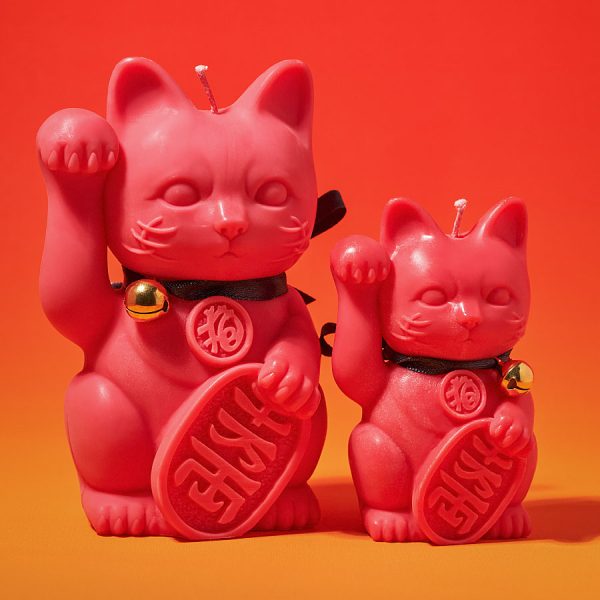
The Lucky Cat Collection draws inspiration from Japanese symbols of luck. Figurines of a cat with a raised paw appear as pendants that can adorn necklaces or bracelets. This motif is popular and often associated with inviting good fortune. In Matiere47 jewelry, such symbols are placed on delicate cords, giving the accessories lightness and subtlety.
The red elements and silk details appearing in this collection have their roots in traditions where this color is considered protective against negative influences. Such elements enrich the jewelry with a deeper cultural dimension, combining symbolism with aesthetic form.




Jewelry Inspired by Astrology
The Zodiac Jewelry Collection offers a wide selection of necklaces featuring zodiac sign motifs. Each symbol reflects the characteristic traits of individual signs and can be worn close to the body as a personal talisman. This jewelry is available in sterling silver or with silver finishes, allowing for customization to individual tastes. The variety of designs includes subtle and elegant pieces, as well as bolder designs suitable for different styles.
The color and form of the necklaces from the Zodiac collection give them a universal appeal. These ornaments complement everyday outfits well and also enhance attire for special occasions. The symbolic meaning of the signs makes such jewelry a thoughtful gift with a personal message.
Services and Customer Approach
At the Matiere47 store, it is also possible to order custom-made jewelry. Individual designs are created with consideration for the client’s preferences and the nature of the order. Flexibility and attention to detail ensure that each project can be tailored to unique occasions or personal tastes.
Each order is carefully packaged and prepared to be given as a gift or for personal use. The store’s offer also includes consultations and support in choosing the perfect piece of jewelry. Explore the full range, check prices, and contact us for a consultation or assistance with your order.
How to Handle a Bracelet After Accidental Wetting
A quick reaction after wetting a bracelet is crucial for saving the silk cord. The first few minutes after contact with water are critical for minimizing damage. Proper rescue techniques can prevent irreversible fiber degradation. Panic and incorrect actions can worsen problems instead of solving them.
The most important step is to gently dry the cord using a soft, absorbent cloth. Avoid rubbing or twisting the fibers, as mechanical stress on wet material increases the risk of micro-cracks. After initial drying, the bracelet should be left in a dry, well-ventilated area, away from direct heat sources that could dehydrate the fibers too quickly.
If a larger amount of water is involved, the process can be accelerated by gently circulating air at a moderate temperature. It is important not to use hairdryers with hot air or direct sunlight, which can lead to uneven fiber shrinkage. Proper handling after wetting will help maintain the elasticity, shine, and durability of the silk cord for a long time.
Immediate Rescue Steps for Wet Silk
Gentle drying is the first and most crucial step after a silk bracelet gets wet. A soft, absorbent cotton towel will soak up excess water from the fabric’s surface. Lightly pressing the towel against the wet cord removes moisture without causing mechanical damage. Wringing or squeezing must be absolutely avoided.
Removing wet jewelry from the wrist immediately prevents prolonged exposure. Continuing to wear a water-saturated cord intensifies fiber degradation. Body heat accelerates chemical processes that damage the protein structure. Every minute of delay increases the risk of permanent damage.
Rescue Action Sequence:
- Immediate removal of the wet bracelet from the wrist
- Gentle drying with a clean cotton towel without squeezing
- Placement on a flat surface with good air circulation
- Isolation from heat sources and direct sunlight
- Regular turning during drying for even evaporation
Rinsing in clean, lukewarm water may be necessary after contact with harmful substances. Chlorinated pool water or salty seawater require rinsing out destructive compounds. A brief rinse at room temperature minimizes further damage. The process must be quick, lasting a maximum of 30 seconds.
Safe Drying Techniques Without High Heat
Flat drying on a clean cotton towel is the optimal method for wet silk. The jewelry is laid out in its natural position without tension or twisting. Good air circulation speeds up evaporation without applying heat. The process can take 12 to 24 hours under standard conditions. Hanging a wet silk cord leads to irreversible stretching of the fibers. Gravity acts on the water-saturated fibers, increasing their length. The material loses its original tension and shape. Deformations remain even after complete drying.
Prohibited Drying Methods:
- Tumble dryer, which destroys fiber structure with high heat
- Direct sunlight, causing yellowing and photodegradation
- Heaters and radiators, which dry out the material and cause brittleness
- Hair dryers, which generate excessively high temperatures
- Hanging, leading to gravitational stretching
The ambient temperature during drying should not exceed 20 degrees Celsius. Higher temperatures accelerate the degradation of moist silk proteins. A cool, well-ventilated room provides optimal conditions. Patience during the drying process pays off with preserved material quality.
Regularly turning the bracelet every few hours ensures even drying. The side resting on the towel dries more slowly than the top surface. Uneven drying causes stress in the fiber structure. The simple act of turning eliminates this problem.
Assessment of Damage Severity and Repair Possibilities
Visual inspection after complete drying reveals the actual extent of damage. Changes in color, texture, and elasticity indicate the degree of degradation. Comparison with the original condition before soaking helps assess the damage. Photographic documentation facilitates monitoring of progressive changes.
Mechanical strength testing requires gentle tensioning of the cord. Light stretching reveals weakening of the fiber structure. Normal fiber returns to its original shape after tension release. Weakened silk remains elongated or breaks during the test.
Damage Assessment Criteria:
- Minor: texture change without loss of strength, full restoration possible
- Moderate: partial loss of elasticity, requires professional assessment
- Severe: visible fiber breakage, cord replacement necessary
- Critical: complete structural degradation, jewelry irreparable
Mold or fungus developing after soaking disqualifies the possibility of DIY repair. Microbiological colonization requires specialized agents and techniques. Fungal enzymes continue degradation even after the material is dried. Professional intervention becomes the only option for salvaging the jewelry.
Professional Restoration vs. DIY Bracelet Refreshing
Specialized restoration offers advanced techniques for repairing damaged silk. Professionals have access to chemicals and methods not available in a home setting. Deep cleaning removes deposits and contaminants that penetrate the fiber structure. The process can restore a significant portion of the material’s original properties.
Replacing the silk cord is the ultimate solution for severely damaged jewelry. Beads, pearls, or other decorative elements are transferred to a new cord. Professional re-stringing preserves the integrity of the design and construction. The cost of replacement ranges from 50 to 200 PLN depending on complexity.
Comparison of Repair Options:
| Method | Cost | Turnaround Time | Effectiveness |
|---|---|---|---|
| Self-drying | 0 PLN | 12-24 hours | High for minor damage |
| Home cleaning | 20-50 PLN | 2-3 hours | Medium, risk of worsening damage |
| Professional restoration | 100-300 PLN | 1-2 weeks | Very high |
| String replacement | 50-200 PLN | 3-7 days | Complete, like new jewelry |
Self-refreshing is limited to gentle cleaning and proper drying. Home methods do not regenerate the damaged protein structure of the fibers. Light dirt can be removed with a soft brush and a small amount of water. Aggressive cleaning agents absolutely cannot be used.
The decision between restoration and replacement depends on the sentimental and financial value of the jewelry. Unique pieces or historical significance justify investing in professional restoration. Mass-produced bracelets are often easier and cheaper to replace. Consulting a specialist helps make the optimal decision.
Tip: Photographing the bracelet before the first wear creates reference documentation. Later comparisons with photos make it easier to assess progressive degradation and make repair decisions.
Summary
Moisture is the main threat to silk cords used in jewelry making. Water molecules penetrate the protein structure of the fibers, destroying the hydrogen bonds that stabilize the material. Degradation leads to loss of strength, elasticity, and the characteristic sheen of natural silk. Understanding the mechanisms of moisture’s interaction with fibers allows for effective protection of valuable jewelry.
Effective protection requires controlling storage conditions and conscious wear. Temperatures between 15 and 20 degrees Celsius and relative humidity of 45-60% provide an optimal environment. Moisture absorbers and appropriate packaging create an additional protective barrier. Seasonal adjustment of care strategies to the Polish climate minimizes the risk of damage.
Accidental soaking requires immediate action and proper drying techniques. Gently patting dry with a towel and flat drying at room temperature yield the best results. Avoiding high temperatures, direct sunlight, and hanging protects against irreversible deformation. Professional restoration or cord replacement saves severely damaged jewelry, restoring functionality and aesthetics.