
Handmade jewelry has held a special place among travel souvenirs for years. This is no accident. Each such item carries within it the trace of a specific place, time, and the person who created it. It’s hard to find a more personal form of remembrance.
Mass-produced tourist gadgets quickly lose their charm. A plastic refrigerator magnet or a factory-made figurine conveys no story. Handcrafted travel jewelry offers a completely different experience. You wear it every day, and every day it reminds you of places that changed your perspective on the world.
The growing interest in artisanal jewelry as a form of souvenir is not a fleeting trend. There are specific reasons behind this choice: the quality of materials, a deep connection to local culture, and the durability of craftsmanship. Each of these reasons deserves separate discussion.
Why Handmade Jewelry is a Unique Travel Souvenir
Among all possible souvenirs, artisanal jewelry stands out for something difficult to measure. It combines aesthetics, culture, and emotion in one small item. It is this multi-layered nature that makes it more than just a typical purchase during a trip.
The Uniqueness and Emotional Value of Artisanal Jewelry
Each piece of handmade jewelry differs from the others. Even when an artisan creates series of similar forms, the natural properties of the materials and the handwork give each item a distinct character. Slight asymmetry, a unique stone setting, or a tool mark are features that a machine cannot replicate.
The emotional value of a travel souvenir grows over time. A bracelet bought at a market in a Moroccan medina or a pendant from a Peruvian goldsmith evokes specific images and scents. Such jewelry becomes a personal archive of memories that you can carry with you.
Psychological studies confirm that objects associated with significant experiences have a higher subjective value than their market equivalent. This phenomenon is called the endowment effect. Handmade jewelry purchased during travel strengthens this effect doubly: through personal meaning and the item’s uniqueness.
How Local Materials and Designs Capture the Spirit of a Place
Artisans use raw materials available in their surroundings. Moroccan goldsmiths work with coral and silver. Ecuadorians use tagua nuts, known as vegetable ivory. Creators from the Baltic region set amber in copper and silver. Each material tells a story about the geography and traditions of its place.
Ethnic patterns in jewelry are not merely decorative. The geometric motifs of the Navajo people of North America symbolize the earth and cosmos. The Tuareg people of the Sahara create silver crosses that signify regional affiliation and serve as protective amulets. Each region has its own language of symbols, encoded in metal, stone, and form.
Local raw materials and traditional patterns together create the unique character of jewelry from a particular place. Such an adornment becomes a miniature portrait of the country or region visited.
Designer Jewelry vs. Mass-Produced Tourist Souvenirs
At the world’s largest bazaars, alongside authentic handicrafts, you’ll find stalls selling mass-produced imitations. They may look similar, but they differ in almost every way. Factory-made items are created from cheap alloys, have identical shapes, and have no connection to local traditions.
Designer jewelry is created in the studio or at the stall of a specific artisan. The time required to make a single piece can range from a few hours to several days. This means that each ornament is the result of genuine craftsmanship, not an anonymous industrial process.
The table below shows the main differences between artisan jewelry and mass-produced tourist items:
| Feature | Handcrafted Jewelry | Mass Production |
|---|---|---|
| Materials | Silver, natural stones, local raw materials | Metal alloys, plastic, imitation stones |
| Craftsmanship | Handmade, unique | Machine-made, identical series |
| Cultural Connection | Authentic, regional | None or simulated |
| Durability | High, depends on the metal | Low, rapid aging |
| Emotional Value | Deep, personal | Minimal |
The difference between these categories becomes apparent after just a few months of use. Mass-produced imitations fade, break, or simply fail to evoke any memories. A handmade ornament will accompany its owner for years.
What Sets Artisan Jewelry Apart from Other Souvenirs
Among all forms of souvenirs, handmade jewelry stands out for its practicality: it can be worn. A magnet stays on the refrigerator, an album gathers dust on a shelf, but a ring or necklace becomes part of everyday life. It is this functionality that ensures a travel memory doesn’t remain locked away.
Artisan souvenirs combine aesthetic and cultural value. No other type of tourist purchase achieves this as naturally.
Durability and Quality of Handmade Ornaments
925 sterling silver, gold, natural stones, and skilled craftsmanship are materials and methods that will last for decades. Silver jewelry made with traditional techniques requires no special maintenance. Regular wear and occasional cleaning are enough for the ornament to retain its appearance for many years.
The quality of craftsmanship in jewelry differs from mass production in its precision of detail. An artisan refines each element by hand: smoothing edges, setting stones, checking clasps. The result is a solid piece ready for daily use.
Hallmarks, such as the 925 stamp on silver or 585 on 14-karat gold, are official confirmations of metal purity. Their presence on jewelry assures the quality of the purchased item. Artisans often sign their work with initials or a studio mark.
Symbols, Ethnic, and Cultural Motifs in Regional Jewelry
Cultural motifs in jewelry serve more than just decorative purposes. Celtic knots from Ireland symbolize eternity and continuity. Indian paisley patterns refer to mango forms and are linked to meditative traditions. Aztec sun symbols have been signs of identity and protection for centuries.
Ethnic jewelry from various regions of the world:
- African beads — symbolize social status and community belonging
- Tuareg silver jewelry — regional crosses serve as protective symbols
- Navajo turquoise jewelry — the stone is associated with the symbolism of the sky and water
- Baltic amber jewelry — refers to coastal traditions and local beliefs
- Tagua jewelry from Ecuador — expresses respect for the natural resources of tropical forests
Understanding the symbolism of a particular region makes purchasing jewelry a conscious choice. The ornament then gains an additional dimension: it becomes a personal link to the culture one has encountered.
Supporting Local Artisans Through Jewelry Purchases
Purchasing jewelry from a local artisan has a direct impact on the local economy. The money goes directly to the creator and their family. It does not pass through intermediaries, retail chains, or foreign headquarters. It is one of the most direct ways to support a local community while traveling.
Traditional craft techniques are often at risk of disappearing. When travelers choose original handmade items instead of mass-produced copies, creators have an economic incentive to continue their craft. Demand for authentic jewelry helps preserve ancient methods of metalworking, bead weaving, or filigree work.
Handmade Jewelry as a Wearable Souvenir
Handcrafted jewelry is not meant to be kept in a drawer. A well-chosen adornment complements everyday outfits and allows you to constantly revisit travel memories. A leather and bead bracelet, a silver ring with a local stone, or a pendant with a regional motif are items that can be worn for years.
The practicality of wearable souvenirs sets jewelry apart from other tourist purchases. An adornment doesn’t take up shelf space, doesn’t collect dust, and doesn’t become outdated. Daily use keeps the travel memory alive.
Tip: When buying jewelry as a souvenir, it’s worth choosing a form you’ll wear regularly: bracelets, earrings, or pendants work better than heavy ceremonial necklaces that are difficult to match with everyday outfits.
How to Recognize Authentic Craft Jewelry While Traveling
At popular tourist markets, authentic handicrafts often sit alongside industrial imitations. Distinguishing between them requires attention, but it is possible. Several practical methods allow you to assess the quality and authenticity of craft jewelry before purchasing.
Features Distinguishing Original Jewelry from Tourist Fakes
Authentic handmade jewelry exhibits minor irregularities. Each element is similar to the others but never identical. A leaf, flower, or geometric pattern repeated by hand will always vary slightly between pieces. Machine stamping produces absolutely identical patterns.
Features indicating the authenticity of craft jewelry:
- Minor differences between repeating pattern elements
- Presence of assay marks or the maker’s signature
- Natural stones with visible veins and color variations
- Signs of manual finishing on edges and joins
- The possibility of discussing the creation process with the artisan
Before purchasing jewelry with natural stones, simply examine the stone itself. Resin or glass imitations have overly uniform color and shine identically. Natural stones differ in color, translucency, and texture.
Where to Find Genuine Local Artisans and Their Workshops
The best places to purchase authentic regional jewelry are artisan workshops, local craft markets, and artisan associations. Such places are often located off the main tourist routes and are rarely advertised in hotel brochures.
Where to find artisans:
- Artisan workshops at ethnographic museums and cultural centers
- Craft fairs organized by local artist associations
- Open workshops in smaller towns and artisan villages
- Certified craft shops awarded by regional organizations
Talking to an artisan is the best way to verify authenticity. A creator can easily discuss their working methods, the materials used, and the symbolism of the designs. A seller of mass-produced replicas usually cannot answer detailed questions about the craftsmanship.
Tip: When purchasing silver jewelry abroad, simply ask the seller about the metal’s purity and request a certificate or written confirmation of its composition. Legitimate artisans are happy to provide this information as it serves as proof of their work’s quality.
Handcrafted Silver Jewelry at Matiere47 Workshop
Matiere47 is a Polish jewelry studio operating since 2017. The brand was born from the fusion of many years of jewelry experience and a passion for modern design. Each piece of jewelry is created with a specific person and a specific story it is meant to tell in mind. Recycled 925 sterling silver is the primary material for all products, giving them both durability and an ethical dimension.
The entire production cycle takes place in the jewelry studio in Old Żoliborz, from the initial sketch to the final finishing of each element. The process combines the classic school of jewelry making with precise 3D modeling and CNC milling, allowing for the reproduction of even the most demanding details. The result is jewelry that retains the characteristics of true handicraft while meeting the standards of contemporary design.
Silver Jewelry Collections with a Deeper Message
Matiere47 creates jewelry based on symbolism and meaning. Each collection grows out of a specific idea and addresses particular emotions or values.
Matiere47 Silver Jewelry Collections:
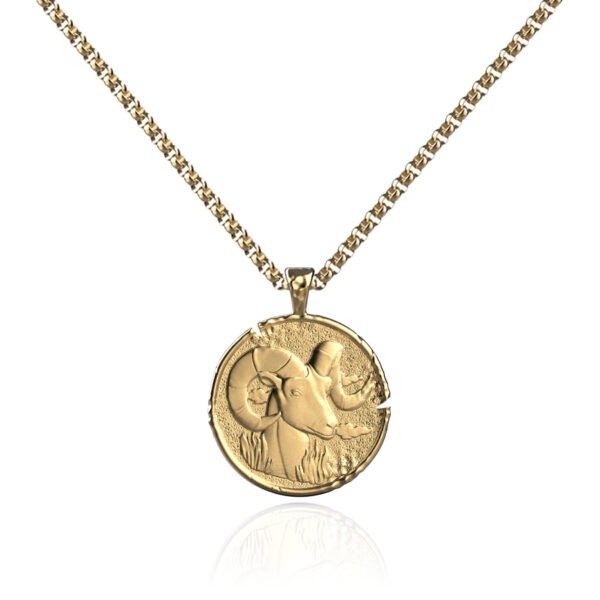
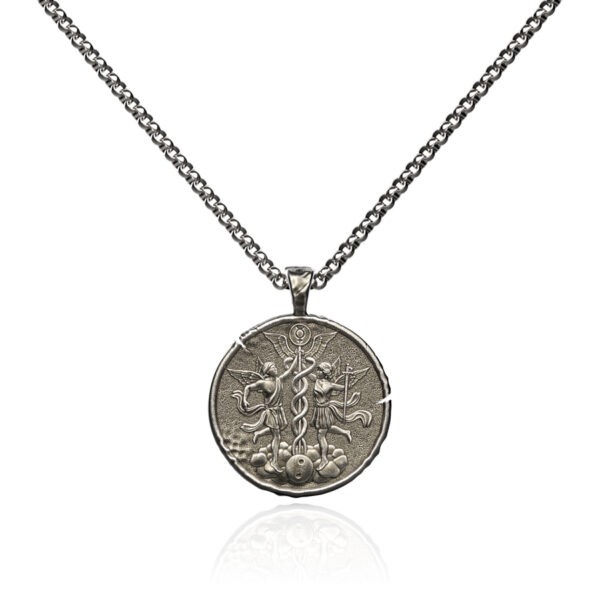
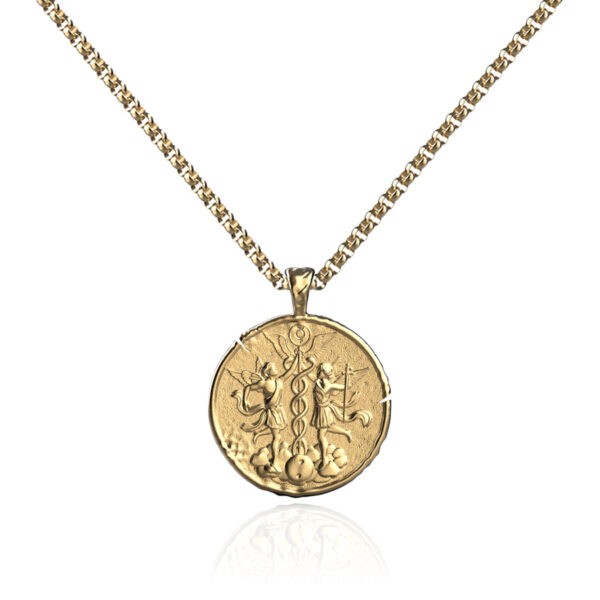
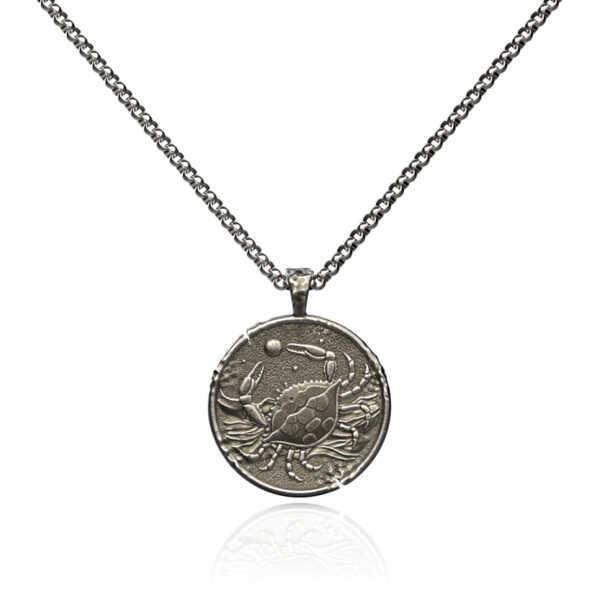
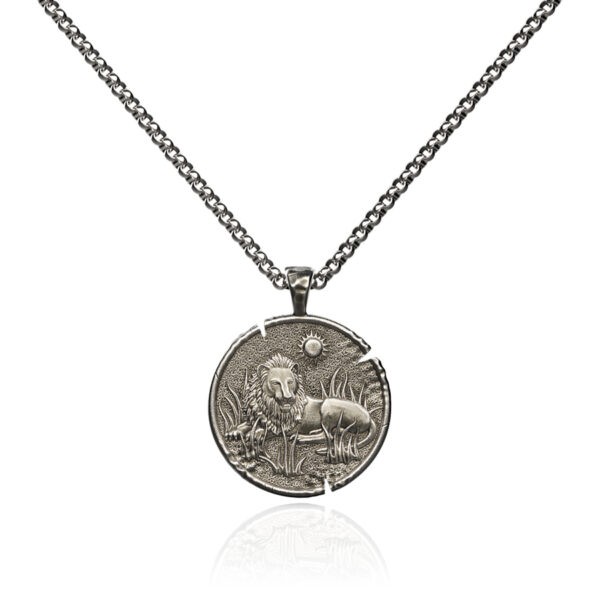
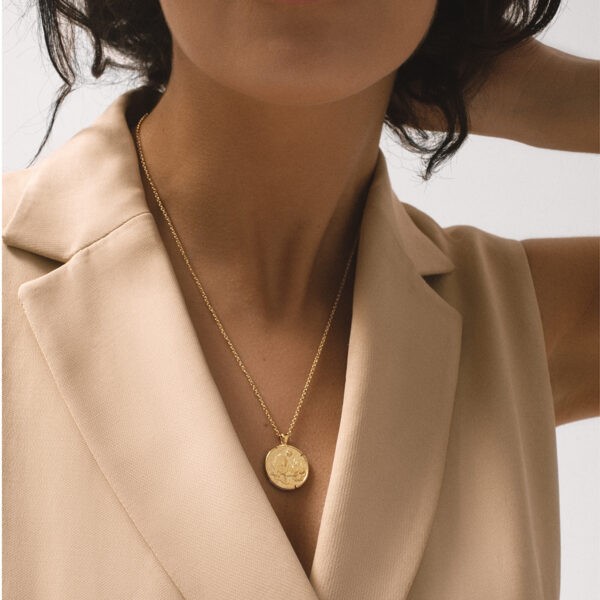
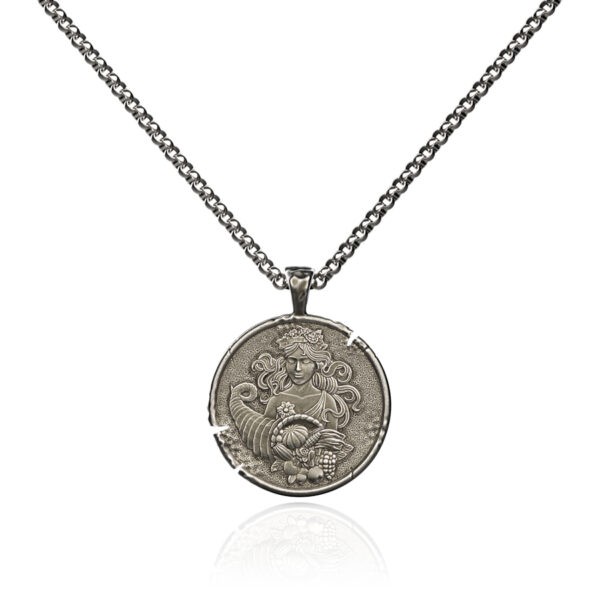
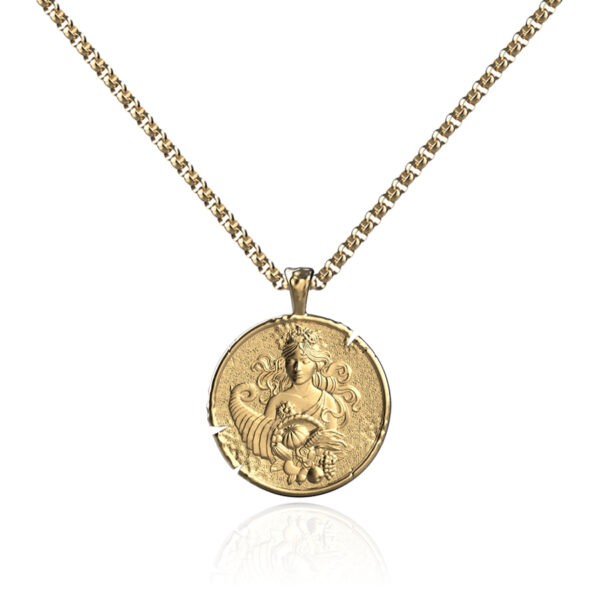
- Zodiac Collection — sterling silver 925 zodiac sign necklaces, available in silver and 24k gold plated versions
- Lucky Cat Collection — jewelry with the motif of the Japanese Maneki Neko cat, including necklaces and bracelets with symbolism of luck and prosperity
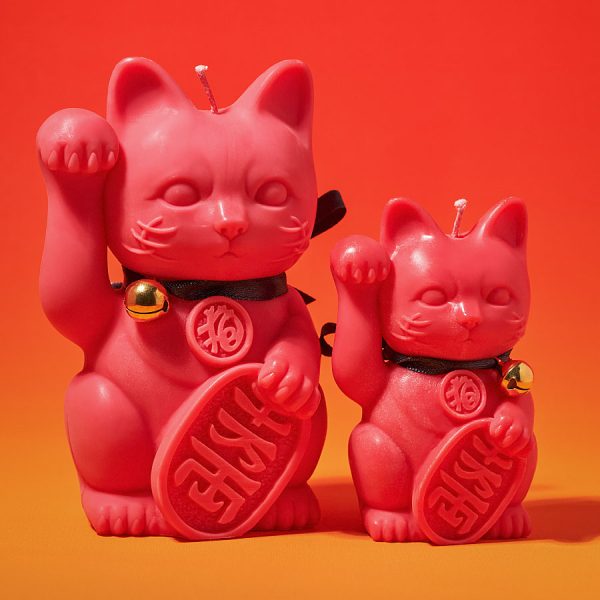
- Maneki Neko Scented Candles — aromatic addition to the collection, made from natural wax, serving as an effective decorative element
Both jewelry collections combine aesthetics with a deeper message. A zodiac sign necklace becomes a personal talisman, and an ornament with the Maneki Neko motif refers to the Japanese tradition of attracting positive energy. Each design is carefully thought out, and the materials are chosen so that the jewelry lasts for years without losing its shine.
















Custom Orders and Studio Contact
Matiere47 fulfills custom orders, such as engagement rings, wedding bands, and personalized keepsakes. Each order goes through the full production cycle in the studio, which guarantees quality control at every stage.
Before making a purchase decision, you can visit the showroom and see the jewelry in person. The ability to see the texture of the silver, feel the weight of the pendant in your hand, and compare finishes makes it easier to choose the best design.
Questions regarding specific designs or orders can be directed directly through the studio contact page, where a jeweler will provide a precise answer and help select the right solution.
Types of Handmade Jewelry Popular Among Travelers
The market for artisanal tourist jewelry includes hundreds of forms, materials, and traditions. However, not every type of ornament works equally well as a souvenir. Practical criteria such as durability, size, and wearability help in choosing something truly valuable.
Jewelry made of silver, natural stones, and local materials
Silver and natural stones create a durable and aesthetically timeless combination. Silver jewelry with amethyst, labradorite, turquoise, or garnet are among the most frequent purchases from artisans worldwide. These stones are easily available in many regions and have inspired local creators for centuries.
Local raw materials give jewelry a unique regional character. Baltic amber, Moroccan coral, tagua nuts from Ecuador, shells from Pacific islands, or animal bones from Africa are materials that no other region can replace. An ornament made from local raw material is geographically rooted in a specific place on earth.
The processing of precious metals varies significantly among cultures. Moroccan filigree work, Turkish silver granulation, Indian goldsmithing with garnet details and openwork patterns, and Scandinavian minimalist silver forms are techniques recognized and appreciated worldwide.
Bracelets, necklaces, and earrings as the most frequently chosen souvenirs
Handcrafted bracelets are the most popular among travelers. They take up little space, are easy to pack, and match many outfits. They are worn for years, serving as a daily reminder of a specific place and moment.
The most frequently chosen forms of jewelry as souvenirs:
- Bracelets made of string, leather, silver, or beads
- Necklaces with pendants featuring local symbols or stones
- Earrings made from natural materials or regional metals
- Rings with stones characteristic of a given region
Earrings and pendants are forms that artisans create the quickest. Due to their smaller size, it is easy to take several pieces without overloading luggage. Rings with regional stones are a more personal choice and require selecting the correct size.
Regional jewelry collections from different corners of the world
Regional jewelry from different continents differs in both aesthetics and symbolism. Southeast Asia is known for its precise gold and silver work, often adorned with Buddhist religious symbols. India offers a wealth of forms with garnets, rubies, and colorful enameled motifs. Africa surprises with colorful beads and intricate woven patterns.
Jewelry from Latin America combines pre-Columbian traditions with colonial European influences. Mexican jewelry made of obsidian, turquoise, and silver draws on Aztec traditions. Peruvian jewelry made of precious metals draws from the Inca heritage and is recognized worldwide.
Europe also provides rich jewelry traditions. Celtic jewelry from Ireland and Scotland with knot patterns, Baltic amber jewelry from Poland and the Baltic countries, and filigree items from Sardinia and Malta are examples of craftsmanship with centuries-old traditions.
Tip: Instead of buying jewelry at the main tourist bazaar, simply ask locals about places where real artisans work. Such a tip usually leads to workshops with authentic handicrafts and a personal approach from the creator to each buyer.
FAQ: Frequently Asked Questions
Is handmade jewelry a good travel souvenir?
Handmade jewelry works much better as a travel souvenir than mass-produced tourist gadgets. Each ornament carries a trace of a specific place, local materials, and the craftsmanship of a given region. A beaded bracelet, a silver pendant with a regional symbol, or a ring with a natural stone evoke specific memories every day.
Artisan jewelry also has a practical advantage over other souvenirs: it can be worn. It doesn’t take up shelf space, doesn’t gather dust in a drawer, and doesn’t become outdated. Daily use keeps the travel memory alive for years.
How to distinguish authentic artisan jewelry from mass-produced fakes?
Authentic handmade jewelry always contains minor irregularities. Repeated elements of a pattern are never identical, natural stones have varying colors and veins, and edges show signs of manual processing. Machine stamping produces effects that are too perfect and too uniform.
A sure sign of authenticity is the presence of a hallmark on the metal, such as a 925 stamp on silver. Another proven method is to talk to the creator. A true artisan can easily describe the process of creating the ornament, the materials used, and the symbolism of the designs. A seller of mass-produced replicas usually does not know such answers.
What types of artisan jewelry are worth buying as a travel souvenir?
Among all forms of regional jewelry, ornaments made from local raw materials characteristic of a given place are the best souvenirs. Baltic amber, Moroccan silver with coral, turquoise from North America, or jewelry made from tagua nuts from Ecuador are examples of items geographically rooted in a specific region. Such materials cannot be replaced by anything else.
In terms of form, bracelets, earrings, and pendants work best. They are lightweight, easy to pack, and fit everyday outfits. Rings require precise size selection, which can be difficult when shopping while traveling. Necklaces with a local pendant offer a compromise: they are visible, personal, and practical.
How to care for handmade jewelry purchased during travels?
Silver jewelry with natural stones requires a few simple care rules. Silver should be stored in a closed box or flannel pouch, away from moisture and sun. Contact with perfumes, creams, and chlorinated water accelerates the tarnishing of the metal. Regular cleaning with a soft cloth is enough to keep the ornament shiny for years.
Natural stones require careful cleaning. Some of them, such as turquoise, malachite, or amber, are porous and sensitive to chemicals. The safest method is to clean them with a slightly damp cloth without detergents. It is advisable to store delicate stones separately to prevent them from rubbing against hard metal elements.
Summary
Handmade jewelry is one of the most valuable forms of travel souvenirs. It combines durability, cultural authenticity, and emotional value in a single item worn daily. The ability to distinguish authentic handicrafts from mass-produced imitations, knowledge of local materials, and awareness of the symbolism of patterns make the purchase a thoughtful experience rather than an accidental buy.
Artisan jewelry from travels does not lose its value over time. Each time the ornament is worn, it evokes a specific place, an encounter with the creator, and the emotions associated with discovering a new culture. Such a souvenir lives with its owner and never ends up in a forgotten drawer.